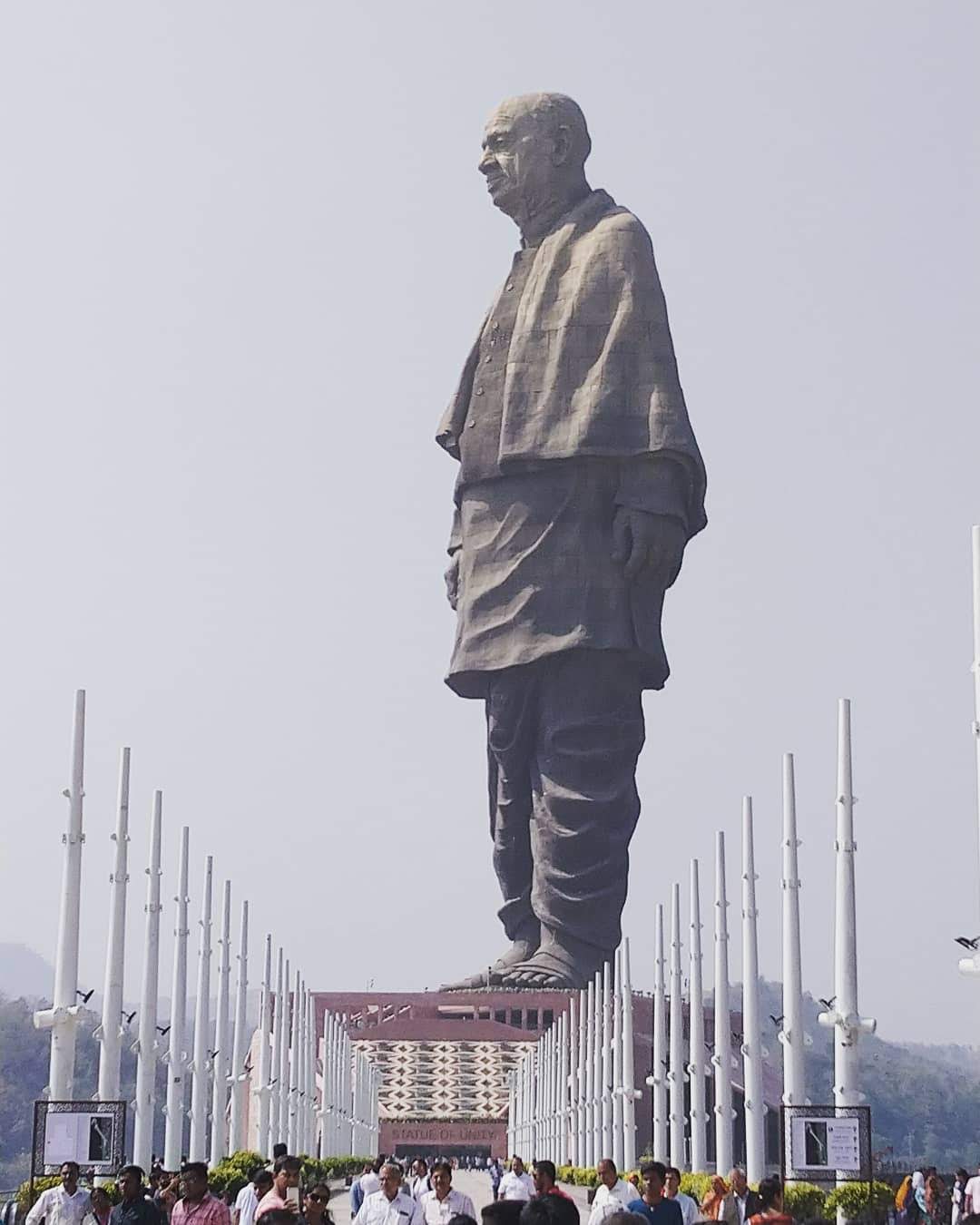
Sardar Patel Iron Man is a key figure in India’s history, known for his pivotal role in uniting the nation. Amit Shah recently emphasized this on Rashtriya Ekta Diwas.
The Legacy of Sardar Patel
The legacy of Sardar Patel, often referred to as the Iron Man of India, is one that resonates deeply in the hearts of millions. His vision and determination played a crucial role in uniting the diverse states of India into a single nation after independence. Patel’s approach was marked by pragmatism and a profound understanding of the socio-political landscape of the time.
During the turbulent period following the end of British rule, India faced the daunting challenge of integrating over 500 princely states. Sardar Patel’s leadership and strategy were instrumental in achieving this monumental task. His ability to negotiate, along with his unwavering commitment to national unity, earned him the respect and admiration of leaders and citizens alike.
One of Patel’s most notable achievements was the integration of states such as Hyderabad and Jammu and Kashmir, which were hesitant to join the Indian union. His firm yet diplomatic methods ensured that these regions became part of India without significant conflict.
Today, as we commemorate his contributions, it is essential to reflect on the lessons he imparted. The Iron Man believed in the power of collective strength and harmony among diverse cultures. His legacy continues to inspire leaders and citizens, reminding us of the importance of unity in a country as varied and vibrant as India.
Amit Shah’s Tribute to Patel
In a heartfelt tribute to Sardar Patel, often referred to as the Iron Man of India, Union Home Minister Amit Shah emphasized the crucial role Patel played in unifying the nation post-independence. Speaking on the occasion of Rashtriya Ekta Diwas, Shah highlighted Patel’s extraordinary vision and leadership that contributed to the integration of over 500 princely states into a single nation.
Shah stated, “Sardar Patel’s unwavering commitment to national unity serves as an inspiration for all of us. He worked tirelessly to ensure that India emerged as a cohesive entity, and his efforts remain relevant today.” During his address, he elaborated on how Patel’s strategies and diplomatic skills were instrumental in overcoming challenges that threatened India’s integrity.
Furthermore, Amit Shah called on citizens to embrace Patel’s ideals of unity and integrity. He urged everyone to remember the sacrifices made by the Iron Man in fostering a sense of belonging among diverse cultures and communities across the country. The spirit of Sardar Patel continues to resonate, encouraging people to work together for a stronger India.
In conclusion, Amit Shah’s remarks not only honor the legacy of Sardar Patel, but also reinforce the importance of unity in contemporary India, reminding us that the Iron Man’s vision is a guiding light for future generations.
Impact of Sardar Patel on India
The impact of Sardar Patel on India is profound and lasting, earning him the title of the Iron Man of India. His relentless efforts towards unifying the nation played a pivotal role in shaping modern India. Following the country’s independence in 1947, Patel faced the monumental task of integrating over 500 princely states into the Indian Union. He understood the importance of a cohesive nation and worked tirelessly to achieve this goal.
Patel’s diplomatic skills and strategic thinking were crucial in negotiating with the rulers of these states. His approach combined firmness with compassion, ensuring that the integration was smooth yet decisive. He famously stated, “Unity is not only a matter of territory but also of the hearts of the people.” This sentiment guided his actions and policies.
Some key aspects of Sardar Patel’s impact on India include:
- Formation of a Unified India: His efforts led to the creation of a single nation, eliminating the confusion and fragmentation that could have ensued.
- Promotion of National Integration: Patel emphasized the importance of unity among diverse communities and cultures within India.
- Strengthening of the Administrative Framework: He laid the foundations for a robust administrative system that ensured governance reached every corner of the country.
Today, the legacy of the Sardar Patel Iron Man continues to inspire generations, reminding them of the importance of unity and perseverance in nation-building.
Understanding Rashtriya Ekta Diwas
Rashtriya Ekta Diwas, celebrated annually on October 31, marks the birth anniversary of Sardar Patel, who is often referred to as the Iron Man of India. This day serves to honor his extraordinary contributions to the nation and his unwavering commitment to unity and integrity.
The significance of this day lies not only in remembering Patel’s achievements but also in reinforcing the importance of national unity in contemporary India. As India continues to embrace diversity in cultures, languages, and religions, the ideals that Sardar Patel championed are more relevant than ever.
On this occasion, various events and activities are organized across the country, aimed at fostering a spirit of togetherness and harmony among citizens. Some of the key elements of Rashtriya Ekta Diwas include:
- Organizing marches and rallies to promote unity.
- Conducting discussions and seminars on Sardar Patel’s vision for a united India.
- Encouraging citizens to take an oath to uphold the values of unity and integrity.
Through these initiatives, the legacy of Sardar Patel, the Iron Man, continues to inspire generations, reminding us of the strength that lies in unity. As India progresses towards a brighter future, the principles upheld by Patel remain a guiding force in fostering national cohesion.
The Role of Unity in Nation Building
The significance of unity in nation building cannot be overstated, especially in the context of India’s diverse culture and rich history. Sardar Patel, often referred to as the Iron Man of India, recognized that a united nation is essential for progress and stability. His efforts in consolidating over 500 princely states into a single entity exemplify the power of unity in shaping a nation.
Unity fosters a sense of belonging among citizens, bridging gaps between different communities and promoting social harmony. Sardar Patel’s vision was clear: only through collective effort could India overcome its challenges and emerge as a strong nation on the global stage. His belief in inclusivity and cooperation laid the foundation for a unified India, where diversity is celebrated rather than seen as a division.
Today, as we reflect on the Iron Man’s contributions, it is crucial to recognize that the spirit of unity remains vital for the country’s development. The principles of cooperation and solidarity that Patel championed are not merely historical lessons; they are imperative for contemporary governance and societal progress.
As India continues to navigate complex challenges, the legacy of Sardar Patel serves as a reminder of the importance of unity in nation building. It is a call to action for every citizen to contribute towards a harmonious society, ensuring that the Iron Man’s dream of a united India lives on.
Sardar Patel: A Visionary Leader
Sardar Vallabhbhai Patel, widely known as the Iron Man of India, was a visionary leader whose dedication to the nation’s unity and integrity remains unparalleled. His steadfast commitment to the cause of national integration played a crucial role in shaping modern India. Patel’s efforts to unite over 500 princely states into one nation laid the foundation for a cohesive and united country.
Patel’s approach was marked by pragmatism and strength. He believed that unity was essential for the progress and stability of the country. His foresight in recognizing the importance of a unified India was evident during the tumultuous period of independence. As the first Deputy Prime Minister and Home Minister, he took significant steps to address the challenges of integrating the diverse regions of India.
His strategies included:
- Negotiation: Engaging with princely states to persuade them to join the Indian Union.
- Political Acumen: Utilizing diplomacy to build consensus among diverse stakeholders.
- Decisive Action: Implementing decisive measures when necessary to maintain order and stability.
The contributions of Sardar Patel as the Iron Man are celebrated annually on Rashtriya Ekta Diwas, a reminder of his legacy and the importance of unity in nation building. His vision continues to inspire generations to uphold the values of integrity and cooperation in today’s India.
Celebrating National Integration
As the nation commemorates Rashtriya Ekta Diwas, it is imperative to reflect on the contributions of Sardar Patel, the Iron Man of India, in fostering national integration. His unwavering commitment to unity and integrity laid the foundation for a cohesive nation, emphasizing that strength lies in diversity.
Celebrating national integration involves recognizing the myriad cultures, languages, and traditions that coexist within India’s borders. Sardar Patel’s vision encourages all citizens to embrace their differences while working towards common goals. Through his efforts, he demonstrated that unity does not mean uniformity, but rather the ability to come together for the greater good.
Key aspects of Sardar Patel’s approach to national integration include:
- Promoting Dialogue: Patel believed in fostering open communication among various groups to settle disputes and build trust.
- Encouraging Participation: He advocated for the involvement of all communities in the nation-building process, ensuring that every voice was heard.
- Strengthening Governance: Patel’s efforts in integrating princely states under one administration were pivotal in maintaining order and stability.
As we celebrate the ethos of Sardar Patel, let us commit to nurturing an inclusive society that honors our shared heritage while promoting harmony, reflecting the true spirit of the Iron Man’s legacy.
Lessons from Sardar Patel’s Leadership
Sardar Patel, often referred to as the Iron Man of India, exemplified the qualities of effective leadership that remain relevant today. His approach to unifying a diverse nation serves as a guiding framework for contemporary leaders. Here are some key lessons drawn from his leadership style:
- Visionary Thinking: Patel possessed a clear vision for a united India, understanding that national integrity was crucial for progress.
- Pragmatism: His ability to navigate complex political landscapes with practical solutions allowed for the integration of various states into the Indian Union.
- Strong Communication: Patel’s eloquence and ability to resonate with the masses played a significant role in garnering support for his initiatives.
- Resolute Determination: He demonstrated unwavering commitment, often making tough decisions that prioritized the greater good over personal interests.
- Inclusive Leadership: Patel understood the importance of collaboration, working with various stakeholders to foster a sense of belonging among all communities.
These lessons from the Sardar Patel Iron Man can inspire current and future leaders to promote unity and integrity in a rapidly changing world. By embracing his principles, leaders can effectively address contemporary challenges while fostering a cohesive and harmonious society.
Sardar Patel Iron Man played a crucial role in the integration of princely states into the newly independent India. His vision and determination as the Sardar Patel Iron Man laid the foundation for a united nation.
By Sagardhangar007 via Openverse