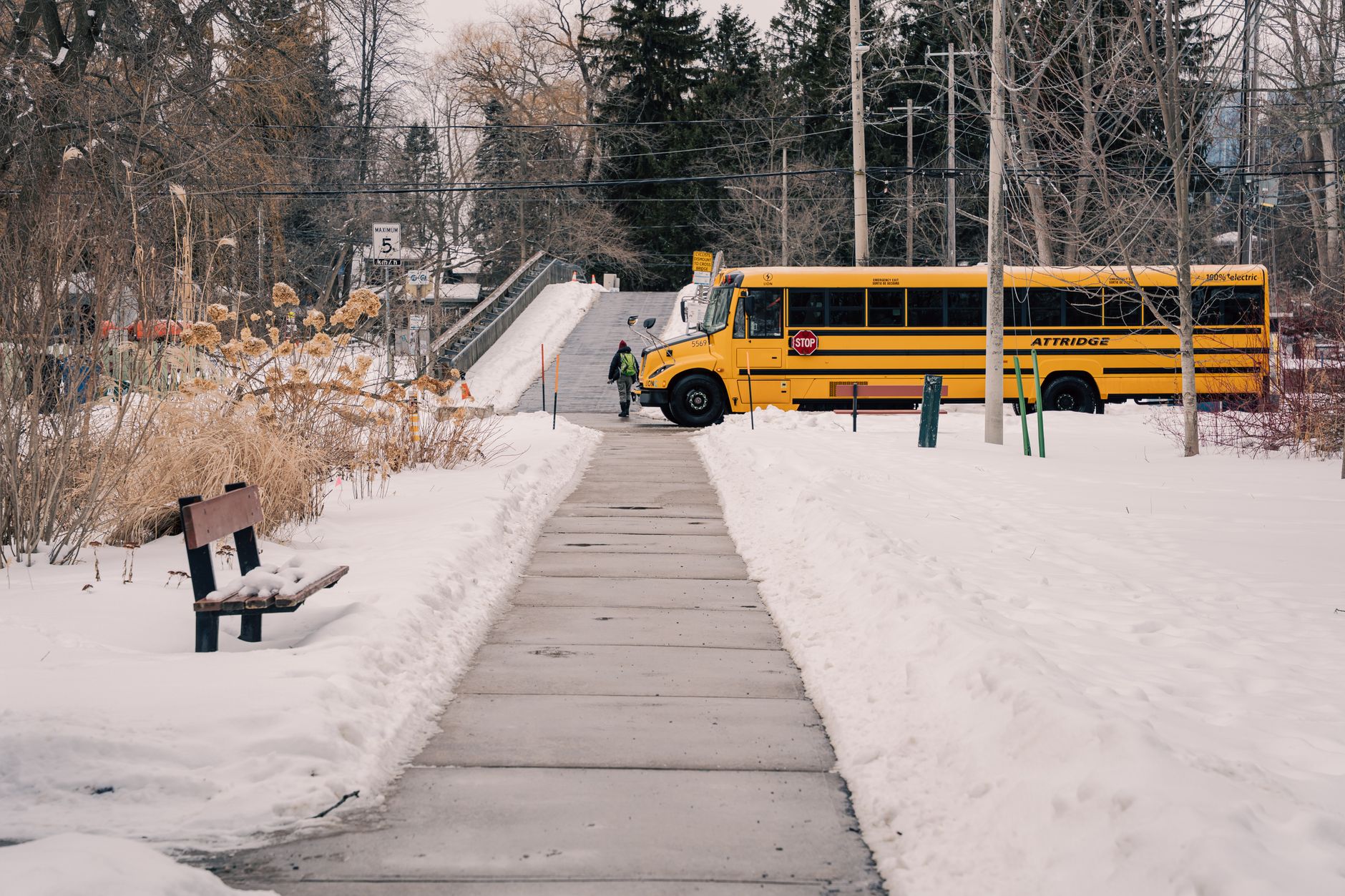
The understaffing crisis Ontario schools are facing has become a pressing concern for educators, parents, and students alike. Reports indicate that this issue is impacting the quality of education.
Understanding the Understaffing Crisis
The ongoing understaffing crisis in Ontario schools has raised significant concerns among parents, educators, and policymakers alike. A recent report highlights the severity of the situation, indicating that many schools are struggling to maintain adequate staff levels to support student needs.
Several factors contribute to this crisis:
- Increased student enrollment: A rising number of students attending Ontario schools has put additional pressure on existing staff.
- Budget constraints: Schools face financial limitations that prevent them from hiring enough qualified professionals.
- Teacher burnout: High levels of stress and burnout among educators lead to increased attrition rates.
As a result, students often find themselves in overcrowded classrooms with limited access to individualized attention. This can hinder their academic progress and overall well-being. Furthermore, parents express concern that the understaffing crisis compromises the quality of education their children receive.
As stakeholders grapple with these challenges, collaboration between the government, school boards, and communities is crucial to addressing the underlying issues and ensuring that every student has access to a supportive learning environment.
Impact on Student Learning
The understaffing crisis in Ontario schools is having a profound impact on student learning. With fewer educators available to address diverse classroom needs, the quality of education is at risk. Teachers are stretched thin, leading to larger class sizes and less individualized attention for students.
Several key factors contribute to the negative effects on student learning:
- Increased Workload: Teachers are burdened with administrative tasks, reducing the time available for direct instruction and student engagement.
- Limited Support: With a shortage of support staff, students requiring additional help, such as those with special needs, are often left without necessary resources.
- Emotional Strain: The pressure on both educators and students can lead to increased stress and anxiety, further hindering the learning process.
- Disruption in Curriculum Delivery: Frequent staff absences and turnover disrupt planned lessons, affecting the continuity of learning for students.
As the understaffing crisis in Ontario schools continues, educators and parents alike are calling for immediate action to ensure students receive the quality education they deserve.
Teacher Perspectives on the Issue
Teachers across Ontario are voicing their concerns regarding the ongoing understaffing crisis in Ontario schools. Many educators feel overwhelmed by their increasing workloads, which they say hinder their ability to provide quality education to their students.
One teacher, who wished to remain anonymous, shared, “I love teaching, but the lack of support makes it incredibly difficult to focus on my students’ needs. With fewer staff members, I often find myself juggling multiple responsibilities.”
Another educator highlighted the impact on classroom dynamics, stating, “When classrooms are understaffed, it creates an environment where students may not receive the attention they require. This affects their learning and overall experience at school.”
Many teachers also reported feeling burnt out, with some considering leaving the profession altogether. As the situation continues, they call for immediate action from the government and school boards to address staffing shortages.
In conclusion, the perspectives of teachers emphasize the urgency of tackling the understaffing crisis in Ontario schools, as it not only affects their well-being but also the future of their students.
Possible Solutions to Staffing Shortages
The understaffing crisis in Ontario schools has raised significant concerns among educators, parents, and policymakers. To address this pressing issue, several potential solutions have been proposed.
- Increased Funding: Allocating more resources to education could help schools hire additional staff, ensuring that class sizes remain manageable and support services are available.
- Recruitment Drives: Initiating targeted recruitment campaigns aimed at attracting new teachers, especially in high-demand subjects, can help alleviate staffing shortages.
- Flexible Work Arrangements: Offering part-time positions or flexible schedules may appeal to retired educators or those seeking to re-enter the profession, thus expanding the pool of available talent.
- Professional Development: Investing in ongoing training for existing staff can enhance retention rates by providing educators with opportunities for career advancement and skill enrichment.
- Community Partnerships: Collaborating with local universities and colleges can create internship programs, allowing student teachers to gain experience while providing support to current faculty.
Implementing these solutions may help alleviate the understaffing crisis in Ontario schools, ultimately benefiting students and educators alike.
Community Response and Advocacy
In response to the understaffing crisis in Ontario schools, community members and advocacy groups are mobilizing to address the urgent issue. Parents, teachers, and local organizations have joined forces to raise awareness and push for change within the education system.
Many parents are organizing petitions and attending school board meetings to express their concerns. They believe that adequate staffing is crucial for their children’s education and well-being. The challenges posed by understaffing not only affect classroom dynamics but also student mental health and academic performance.
Advocacy groups are also playing a vital role by lobbying government officials for increased funding and support for schools. They emphasize the need for long-term strategies that prioritize hiring more qualified educators and support staff.
- Community forums are being held to discuss potential solutions and share experiences.
- Social media campaigns aim to inform a wider audience about the negative effects of the staffing crisis.
- Collaborations with local businesses are being explored to enhance resources for schools.
Through these efforts, the community aims to combat the understaffing crisis in Ontario schools and ensure a better future for all students.
Government Actions and Policies
In response to the ongoing understaffing crisis in Ontario schools, the provincial government has initiated several actions and policies aimed at addressing the issue. Despite these efforts, many educators and parents remain skeptical about their effectiveness.
Recent measures include:
- Increased Funding: The government has allocated additional funds to support hiring more educators and support staff.
- Recruitment Campaigns: Targeted campaigns have been launched to attract new teachers, particularly in underserved regions.
- Flexible Certification Programs: The introduction of alternative certification pathways aims to expedite the entry of qualified individuals into the teaching profession.
While these initiatives demonstrate a commitment to resolving the staffing shortages, critics argue that they fall short of addressing the root causes of the understaffing crisis. Many contend that without a comprehensive strategy that includes improved working conditions and competitive salaries, the government’s actions may not yield the desired outcomes.
As the situation evolves, stakeholders in Ontario’s educational landscape continue to call for more robust and sustainable solutions to ensure that every student receives the quality education they deserve.
Future of Education in Ontario
The future of education in Ontario is at a critical juncture, as the understaffing crisis in Ontario schools continues to loom large. Educators, parents, and community members are expressing growing concerns over the long-term implications of inadequate staffing levels. Without immediate and effective solutions, the quality of education may decline, potentially affecting the province’s workforce and economy.
As schools struggle to maintain essential services and programs, students may face challenges in their academic and social development. The lack of sufficient support staff can lead to overcrowded classrooms, limited access to resources, and decreased individual attention for students. Additionally, the emotional and mental well-being of both students and teachers could be compromised.
To navigate these challenges, it is crucial for stakeholders to collaborate on innovative strategies. This includes advocating for increased funding, attracting new talent to the teaching profession, and implementing mentorship programs for current educators. Community engagement will be vital in addressing these issues and ensuring that all children receive a quality education. Together, we can work towards a sustainable and supportive educational environment that meets the needs of both students and teachers.
The understaffing crisis Ontario schools are facing has led to increased class sizes and diminished support for students. As educators struggle to meet the needs of their classrooms, the implications of the understaffing crisis Ontario schools cannot be ignored.
Photo by apertur 2.8 on Pexels