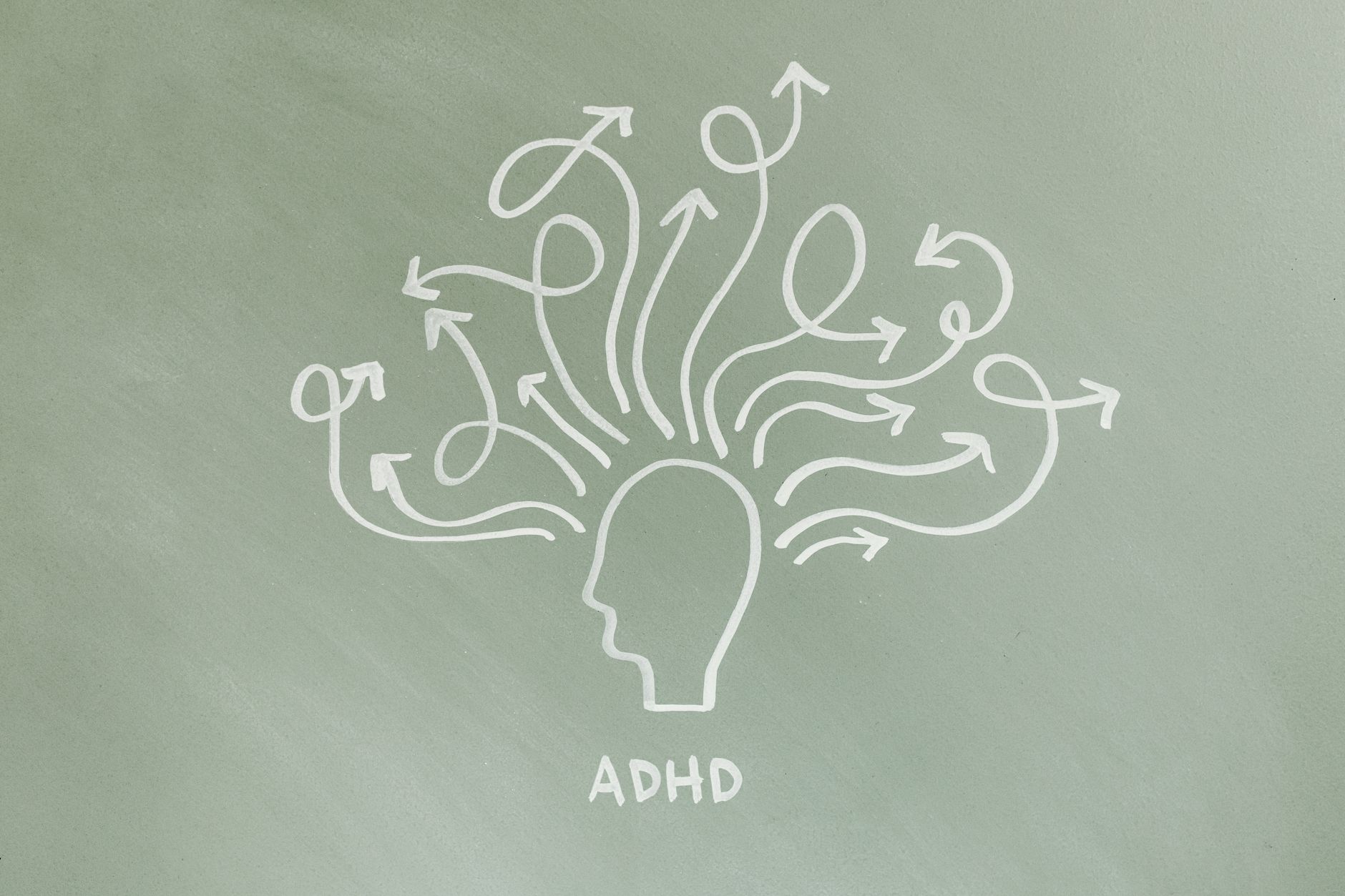
Adult ADHD diagnosis is a crucial factor that can influence the clinical profile of individuals. Recent studies suggest that the age at which one is diagnosed may play a significant role in treatment effectiveness and overall outcomes.
Understanding Adult ADHD
Understanding Adult ADHD is crucial for improving treatment outcomes and enhancing the quality of life for those affected. Adult ADHD diagnosis often reveals a complex interplay of symptoms that can vary significantly with age. As individuals grow older, the presentation of ADHD symptoms may change, sometimes leading to a misdiagnosis or delayed recognition.
Research shows that adults diagnosed later in life may experience different challenges compared to those diagnosed in childhood. These differences can include:
- Increased emotional regulation issues: Adults may struggle more with managing frustration and mood swings.
- Co-occurring conditions: Older adults with ADHD often face additional mental health challenges, such as anxiety or depression.
- Negative impact on relationships: Undiagnosed ADHD can strain personal and professional relationships.
Ultimately, understanding these dynamics is vital for effective treatment and support strategies tailored to the unique needs of adults with ADHD.
Signs and Symptoms of Adult ADHD
Identifying the signs and symptoms of Adult ADHD can be challenging, as they often overlap with other conditions. Those diagnosed with Adult ADHD may experience a range of difficulties that impact daily life.
- Inattention: Adults may struggle with staying focused on tasks, often becoming easily distracted by external stimuli.
- Impulsivity: This can manifest as difficulty waiting for one’s turn, interrupting others, or making hasty decisions without considering the consequences.
- Hyperactivity: While less common in adults, some may still exhibit restless behavior or find it hard to sit still.
- Time Management Issues: Many adults with ADHD find it challenging to prioritize tasks and meet deadlines.
- Emotional Regulation: Adults may experience mood swings or a low tolerance for frustration, affecting relationships and work performance.
Recognizing these signs is crucial for a proper Adult ADHD diagnosis, which can lead to effective management strategies.
Age and Diagnosis Relationship
The relationship between age and diagnosis is a critical factor in understanding adult ADHD diagnosis. Research indicates that the age at which individuals are diagnosed can significantly influence their clinical outcomes and treatment responses.
One of the major findings is that:
- Earlier diagnosis: Those diagnosed in their early adulthood often have a more severe clinical profile, experiencing heightened symptoms and greater challenges in managing their condition.
- Later diagnosis: Individuals diagnosed later in life may have developed coping mechanisms, which can mask symptoms but also complicate treatment.
- Impact on support: Age at diagnosis often determines the level of support and resources available, as younger adults may have different needs compared to those diagnosed later.
Understanding the age and diagnosis relationship is vital in tailoring interventions that address the unique experiences of adults with ADHD, ultimately leading to better management strategies.
Treatment Options for Adult ADHD
Treatment options for adult ADHD diagnosis can vary significantly based on individual needs and the age at which a person is diagnosed. Understanding these options is crucial for effective management and improved quality of life. Here are some common treatment approaches:
- Medication: Stimulants, such as amphetamines and methylphenidate, are often the first line of treatment. Non-stimulant options like atomoxetine may also be considered.
- Therapy: Cognitive Behavioral Therapy (CBT) can help individuals develop coping strategies and address negative thought patterns associated with ADHD.
- Coaching: ADHD coaching can provide personalized support in organizing tasks and setting achievable goals.
- Support Groups: Connecting with others who have similar experiences can offer encouragement and understanding.
It is essential for adults seeking an ADHD diagnosis to collaborate closely with healthcare professionals to tailor a treatment plan that addresses their specific challenges and lifestyle needs.
Long-Term Effects of Late Diagnosis
Late diagnosis of Adult ADHD can have profound long-term effects on individuals. Many adults who receive a diagnosis later in life often face a range of challenges that can impact their personal and professional relationships.
Research indicates that individuals diagnosed with Adult ADHD after the age of 30 may experience:
- Increased Anxiety: A common outcome is heightened anxiety levels, as individuals struggle to understand their past behaviors and the implications of their condition.
- Lower Self-Esteem: Many late-diagnosed adults grapple with feelings of inadequacy, stemming from years of undiagnosed symptoms.
- Difficulty in Relationships: Late diagnosis can strain relationships, as partners and family members may not fully comprehend the challenges associated with Adult ADHD.
- Workplace Challenges: Adults may encounter significant hurdles in their careers, including issues with organization, time management, and meeting deadlines.
Understanding these long-term effects highlights the importance of timely Adult ADHD diagnosis and intervention.
Expert Opinions on ADHD
Experts in the field of mental health emphasize the significant implications of an adult ADHD diagnosis on individuals as they navigate their daily lives. Dr. Emily Chen, a clinical psychologist specializing in ADHD, notes that age can profoundly influence both the recognition of symptoms and the subsequent treatment approaches. “Many adults may not realize they have ADHD until later in life, which can lead to years of struggle,” she explains.
Furthermore, Dr. Mark Thompson, a psychiatrist, highlights that late diagnosis often results in compounded challenges. “Adults diagnosed in their 30s or 40s may face unique hurdles, such as managing relationships and career expectations, which differ from those diagnosed in childhood,” he states.
Additionally, experts agree that tailored interventions are crucial. Dr. Sarah Lee stresses the importance of personalized strategies in treatment, noting that “understanding the individual’s age and life context can vastly improve outcomes for adults seeking help.”
These insights underline the need for increased awareness and education regarding adult ADHD diagnosis and its implications.
Latest Research Findings
Recent studies have shed light on the critical relationship between age and the outcomes of an adult ADHD diagnosis. Researchers have found that individuals diagnosed later in life often present with a unique set of challenges compared to those identified earlier. These challenges may include more severe symptoms and higher levels of comorbid conditions such as anxiety and depression.
One significant finding indicates that adults diagnosed with ADHD after the age of 30 are more likely to have developed coping mechanisms that mask their symptoms, complicating the diagnostic process. Additionally, late diagnosis can lead to difficulties in personal relationships and job performance, as individuals may have struggled for years without understanding the root cause of their issues.
- Age at diagnosis plays a crucial role in treatment efficacy.
- Comorbid conditions are more prevalent in later diagnoses.
- Understanding the clinical profile of adult ADHD is essential for tailored interventions.
These findings highlight the importance of timely and accurate adult ADHD diagnosis for better long-term outcomes.
Conclusion and Recommendations
In conclusion, the impact of age on the diagnosis and management of Adult ADHD cannot be overstated. As highlighted throughout this article, adults diagnosed later in life often face unique challenges that can significantly affect their clinical profile. It is essential for healthcare professionals to recognize the nuances associated with Adult ADHD diagnosis, particularly in older populations.
To improve outcomes, we recommend a multi-faceted approach:
- Early Screening: Encourage proactive screening in adulthood to identify ADHD symptoms that may have been overlooked in childhood.
- Comprehensive Assessment: Utilize detailed evaluations that consider the patient’s history, current functioning, and comorbid conditions.
- Personalized Treatment Plans: Develop tailored strategies that address the specific needs of adults, taking into account their age and life circumstances.
- Ongoing Education: Provide resources and support to help adults understand their diagnosis and manage their symptoms effectively.
By implementing these recommendations, we can significantly enhance the quality of life for adults living with ADHD.
Research shows that the timing of an Adult ADHD diagnosis can significantly influence treatment options and long-term management strategies. Understanding the nuances of an Adult ADHD diagnosis is crucial for tailoring effective interventions for individuals across different age groups.
Photo by Tara Winstead on Pexels