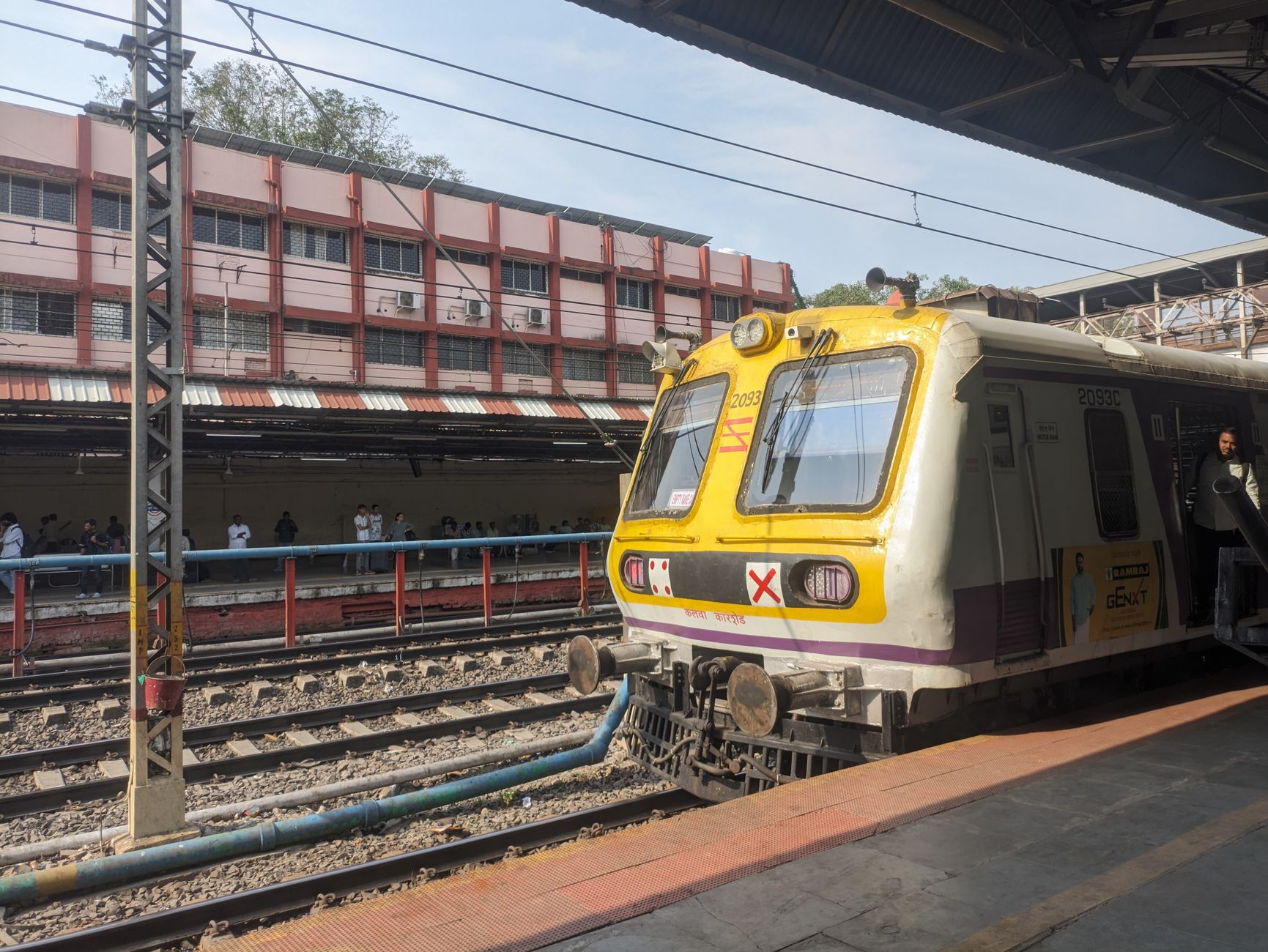
The Mumbai local train incident highlights the serious risks women face in public transport. A woman objected to a ‘bad touch’ but tragically lost her arm when pushed off the train.
Understanding the Mumbai local train incident
The recent Mumbai local train incident has left the city in shock as a woman lost her arm after being pushed off a moving train. Witnesses report that the woman confronted a man who had allegedly made inappropriate contact. Her brave action of standing up against such behavior took a tragic turn when she was forcefully pushed out of the train by the assailant.
This incident not only highlights the dangers faced by commuters but also raises critical questions about safety measures on public transport. Many are calling for improved security protocols to protect passengers from harassment and violence.
The woman, who has not been named, is currently receiving medical treatment, and her family is seeking justice for this horrific act. As the investigation unfolds, there is a growing concern about the broader implications for women’s safety in urban environments, particularly in a bustling city like Mumbai, where local trains are a vital lifeline for millions.
The impact of harassment on women
The recent Mumbai local train incident has highlighted the pervasive issue of harassment faced by women in public transportation. This tragic event, where a woman lost her arm after objecting to inappropriate behavior, underscores the urgent need for improved safety measures.
Harassment in public spaces can have profound psychological and physical effects on victims. Women often experience feelings of:
- Fear: The constant worry of facing harassment while commuting can lead to anxiety and stress.
- Isolation: Victims may feel alienated and reluctant to use public transport, limiting their mobility and independence.
- Shame: Many women may internalize the experience, leading to feelings of shame and self-blame.
Moreover, such incidents create an environment where women feel unsafe, deterring them from pursuing opportunities in education and employment. The response to the Mumbai local train incident must prioritize women’s safety and well-being, ensuring that public transport is a safe haven rather than a source of fear.
Safety measures in public transport
In light of the recent Mumbai local train incident, safety measures in public transport have come under scrutiny. The tragic event serves as a reminder of the urgent need for enhanced precautions to protect commuters, especially women.
Authorities and transport officials are being urged to implement a series of robust safety measures, including:
- Increased surveillance: Installation of CCTV cameras in train compartments and platforms to monitor suspicious activities.
- Women-only coaches: Ensuring designated coaches for women during peak hours to provide a safer travel environment.
- Emergency response teams: Deploying rapid response units at stations to address incidents of harassment promptly.
- Awareness campaigns: Conducting regular workshops and campaigns to educate both men and women about respectful behavior in public transport.
The Mumbai local train incident has highlighted the pressing need for these measures, as the safety of passengers must be a top priority to prevent further tragedies.
Victim’s story and community reaction
The tragic Mumbai local train incident has left a profound impact on the victim, a young woman who bravely stood up against harassment. Witnesses recounted that she was pushed off the train after she objected to an inappropriate advance. The incident has sparked outrage within the community, highlighting the urgent need for improved safety measures in public transport.
Friends and family describe the victim as a vibrant person with dreams of a better future. Her life has been forever altered, losing her arm in the horrifying incident. Local residents have come together, organizing vigils and protests to demand justice and accountability for the ongoing safety issues faced by women in the city.
Community leaders are calling for stricter regulations and increased surveillance on trains. As emotions run high, many are emphasizing the importance of collective action to ensure that such a devastating Mumbai local train incident never happens again.
Legal implications of harassment
The recent Mumbai local train incident has raised serious legal implications regarding harassment in public transport. As the victim navigates the aftermath of a traumatic experience, legal experts emphasize the need for stricter enforcement of existing laws aimed at protecting individuals from such behaviors.
Under the Indian Penal Code, various sections address sexual harassment and assault, yet these laws often go unenforced in public spaces like local trains. The incident highlights a glaring gap in accountability, prompting calls for more stringent legal frameworks and better implementation of safety measures.
Moreover, advocacy groups are urging the government to establish clearer guidelines for reporting incidents of harassment, ensuring that victims receive adequate support. The legal landscape surrounding this and similar incidents must evolve to reflect the seriousness of such crimes, as failure to do so perpetuates a culture of silence around harassment.
In light of the recent Mumbai local train incident, it is imperative that society collectively demands change for the safety and dignity of all individuals.
How to report harassment incidents
Reporting harassment incidents, such as the recent Mumbai local train incident, is crucial for ensuring justice and improving safety in public transport. Here are some key steps to take when reporting such incidents:
- Document the incident: Write down the details as soon as possible, including the date, time, location, and description of the perpetrator.
- Gather evidence: If safe, take photographs or record video evidence of the incident or its aftermath.
- Inform authorities: Report the incident to local police or transport authorities promptly to ensure swift action.
- Seek support: Talk to friends or family about the incident to receive emotional support and guidance.
- Utilize helplines: Many cities have dedicated helplines for reporting harassment; utilize these resources for immediate assistance.
By taking these steps, victims can help create a safer environment for all and contribute to the ongoing fight against harassment in public spaces.
Support systems for victims of violence
In the aftermath of the Mumbai local train incident, it is crucial to address the support systems available for victims of violence. Survivors often face immense emotional and physical challenges, making access to appropriate resources vital for their recovery.
Several organizations and government initiatives provide essential support, including:
- Counseling services: Professional counseling can help victims process their trauma and regain a sense of normalcy.
- Legal aid: Many NGOs offer legal assistance to help victims navigate the judicial system and understand their rights.
- Helplines: Dedicated helplines are available for immediate support, allowing victims to report incidents and seek help anonymously.
- Support groups: Peer support groups provide a safe space for survivors to share their experiences and connect with others who have faced similar situations.
These resources are essential in empowering victims and ensuring that they do not feel alone in the aftermath of traumatic events like the Mumbai local train incident.
Photo by Paramveer Singh on Pexels