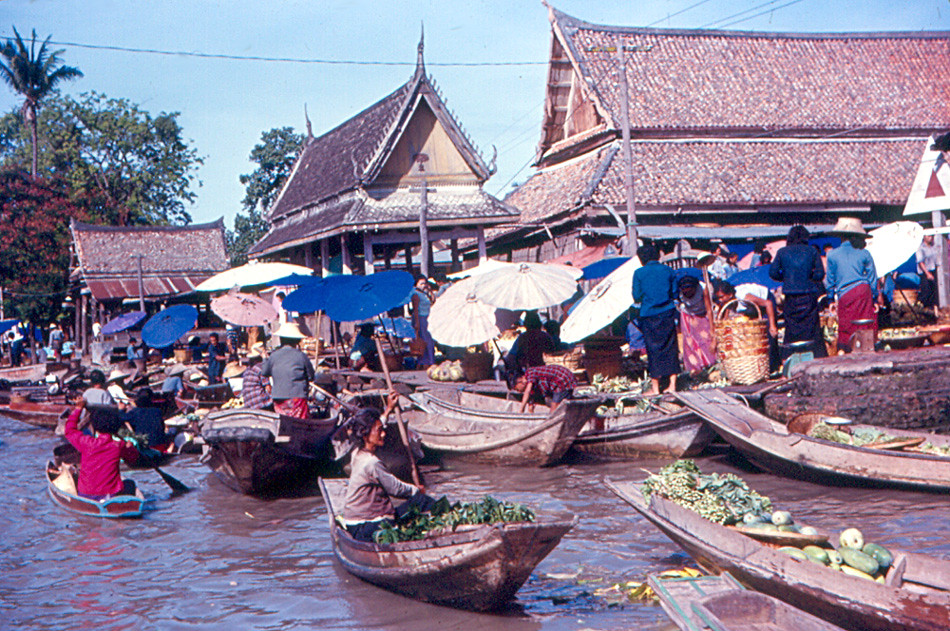
Bangkok floating market has emerged as a creative solution during recent floods, uniting locals in a remarkable display of resilience and innovation.
The Rise of Floating Markets
The rise of floating markets in Bangkok has become a remarkable response to the city’s recurrent flooding issues. These vibrant markets not only provide essential goods but also showcase the resilience and creativity of local communities.
During times of heavy rainfall, many neighborhoods in Bangkok experience significant water levels, prompting residents to adapt their commerce strategies. Instead of closing shops, locals have embraced the concept of floating markets, where vendors set up their stalls on boats and rafts.
Some key features of these floating markets include:
- Accessibility: Customers can easily navigate the waterways to purchase fresh produce, street food, and handmade crafts.
- Community Spirit: These markets foster a sense of camaraderie among residents, as everyone comes together to support one another.
- Cultural Heritage: The floating market experience reflects traditional Thai culture, attracting both locals and tourists.
Ultimately, the Bangkok floating market exemplifies how innovation can thrive amidst adversity.
Local Innovations During Floods
In response to the increasing frequency of floods in Bangkok, local residents have turned to innovative solutions that not only address immediate needs but also celebrate their cultural heritage. One of the most notable adaptations has been the emergence of the Bangkok floating market, where vendors set up shop on makeshift boats to continue trading despite rising waters.
These floating markets serve as a vital resource for both locals and tourists, offering a variety of goods including fresh produce, handmade crafts, and traditional Thai delicacies. The ingenuity of Bangkok’s citizens has transformed a challenge into an opportunity, fostering community spirit and resilience.
Moreover, the floating market has become a symbol of adaptation, showcasing how traditional practices can thrive even amid adversity. Residents have embraced this unique approach, ensuring that the essence of Bangkok’s vibrant market culture remains alive during challenging times.
Community Spirit in Crisis
The recent floods in Bangkok have highlighted the strength of community spirit and resilience among locals. As waters rose, residents quickly adapted by transforming their neighborhoods into vibrant Bangkok floating markets. This initiative not only provided a means of survival but also fostered a sense of unity among those affected.
In these challenging times, locals banded together to support one another, showcasing their creativity and resourcefulness. Notable aspects of this community response include:
- Collaboration: Neighbors worked together to set up stalls, sharing resources and goods.
- Support for Local Businesses: Many vendors seized the opportunity to sell their products, ensuring the survival of their businesses.
- Community Engagement: The floating market became a hub for social interaction, helping to alleviate the stress of the crisis.
The emergence of these markets exemplifies how adversity can ignite community resilience and innovation.
How to Visit Bangkok’s Floating Market
Visiting the Bangkok floating market is an unforgettable experience that combines culture, cuisine, and commerce. To make the most of your visit, consider the following tips:
- Choose the Right Time: Early mornings or late afternoons are ideal for avoiding crowds and enjoying cooler temperatures.
- Transportation: Use a long-tail boat to reach the market, which adds to the experience and offers scenic views of the canals.
- Local Delicacies: Don’t miss out on trying authentic Thai street food, such as boat noodles and mango sticky rice.
- Cash is King: Bring enough cash, as many vendors do not accept credit cards.
- Respect Local Customs: Be mindful of local traditions and etiquette while interacting with vendors and fellow visitors.
With these tips, your visit to Bangkok’s floating market will be both enjoyable and enriching.
The Impact of Flooding on Bangkok
The recent severe flooding in Bangkok has significantly impacted the city and its residents. Streets are submerged, and traditional markets have faced closures, leading to economic challenges for local vendors. In response, the community has turned to innovative solutions, such as the emergence of the Bangkok floating market.
This unique adaptation not only allows vendors to continue selling their goods but also provides a vibrant atmosphere for locals and tourists alike. The floating market has become a lifeline, offering fresh produce and handcrafted items while showcasing the resilience of the community.
Moreover, the floating market serves as a reminder of the city’s historical connection to water transport. As people navigate the canals, they experience a blend of culture and commerce, reinforcing the idea that even in times of crisis, creativity and community spirit can thrive.
- Economic resilience through innovation
- Preservation of local culture
- Support for small businesses
Cultural Significance of Floating Markets
The cultural significance of floating markets in Bangkok extends beyond mere commerce; they are a vital part of the city’s heritage and community life. These vibrant markets are not just venues for buying and selling goods; they are also places where traditions are preserved and passed down through generations.
Visitors to the Bangkok floating market can experience a unique blend of food, art, and local craftsmanship. Here, vendors sell everything from fresh produce to handmade crafts, reflecting the rich cultural tapestry of Thailand.
Moreover, floating markets serve as a social hub, where families gather, and friendships are forged. During times of crisis, such as flooding, these markets adapt remarkably, showcasing the resilience of local communities. The ability to transform challenges into opportunities demonstrates the enduring spirit of Bangkok’s residents and reinforces the importance of these markets as cultural landmarks.
As such, they are not only an economic lifeline but also an essential aspect of Bangkok’s identity.
Future of Floating Markets in Bangkok
The future of floating markets in Bangkok appears promising as locals adapt to ongoing challenges posed by flooding. Bangkok floating market not only serves as a vital economic hub but also showcases the resilience and creativity of the community. As climate change continues to affect weather patterns, these markets are likely to evolve, integrating more sustainable practices.
Innovative approaches include:
- Using biodegradable materials for stalls and products.
- Implementing better drainage systems to manage excess water.
- Enhancing mobility of vendors to ensure accessibility even during floods.
Moreover, community-led initiatives could lead to the establishment of more permanent floating markets that can withstand severe weather. The potential for cultural tourism will also grow, as visitors seek authentic experiences in these dynamic environments. The adaptability of Bangkok’s floating markets symbolizes hope amidst adversity.
The Bangkok floating market has become a vibrant hub for both locals and tourists, showcasing the resilience of the city. By transforming challenges into opportunities, the Bangkok floating market exemplifies a smart response to floods while preserving cultural heritage.
By roger4336 via Openverse
Read the original
Related reading
Perseverance rover Mars journey: Is it the Best Proven Mission? · Higher Oil Prices Weigh on Stocks: A Clear Analysis · Natco Pharma Rights Issue: A Smart Move for Investors