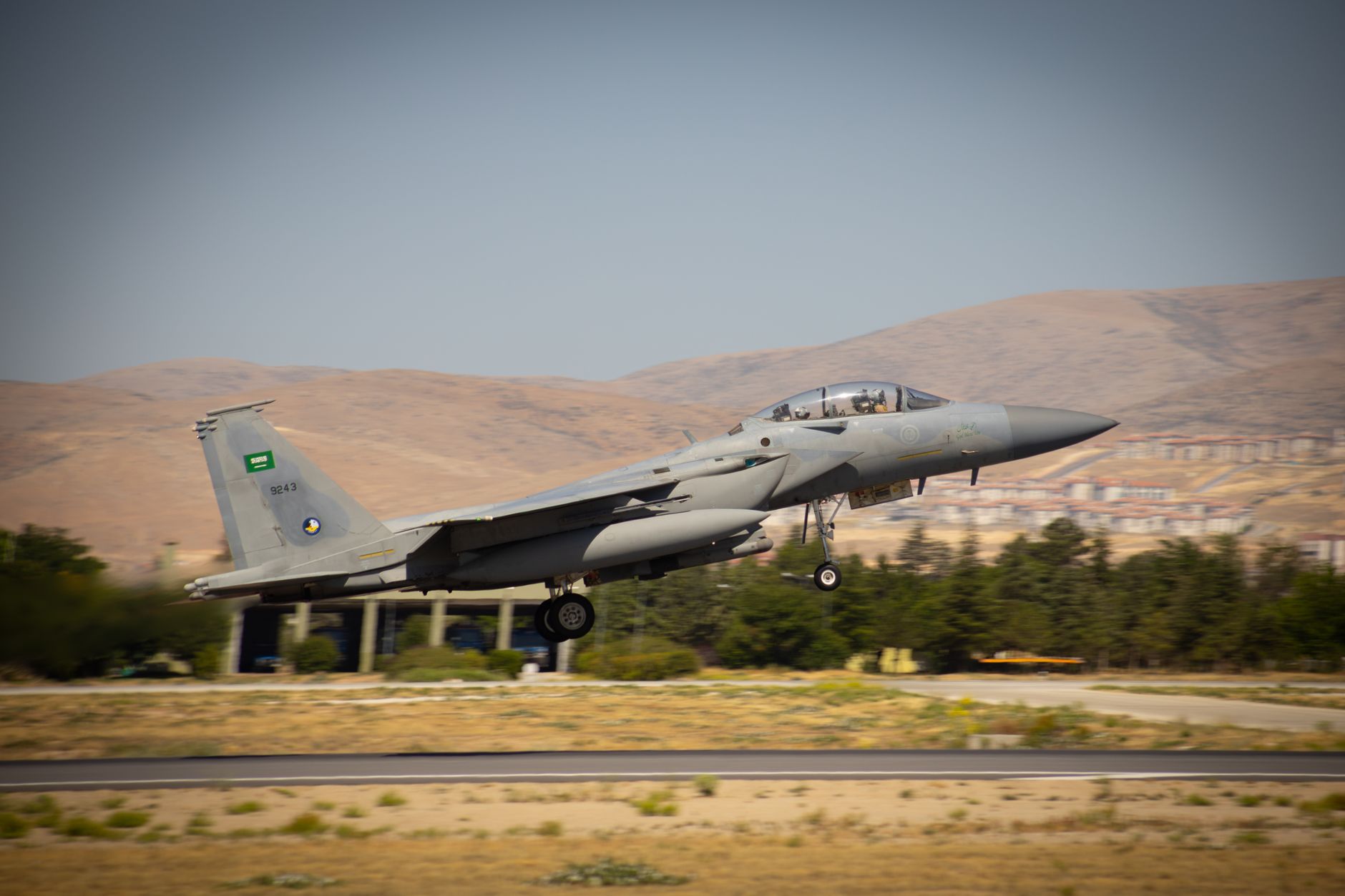
Defence assistance to Saudi Arabia is a key focus as Egypt’s Sisi seeks authorisation for military support, reflecting shifting alliances in the region.
Overview of Egypt’s Defence Strategy
Egypt’s defence strategy has undergone significant evolution in recent years, particularly as it seeks to enhance its regional influence and security partnerships. The country’s leadership, under President Abdel Fattah el-Sisi, has identified the necessity of robust military cooperation with key allies, notably Saudi Arabia. This move reflects a broader aim to fortify mutual defence capabilities amidst an increasingly volatile regional landscape.
In this context, Egypt’s defence assistance to Saudi Arabia is not merely a bilateral arrangement but a strategic alignment that underscores shared security interests. This cooperation has been driven by several factors:
- Regional Stability: Both nations face common threats, including terrorism and instability stemming from conflicts in neighboring countries.
- Military Modernization: Egypt aims to upgrade its military capabilities by collaborating with Saudi Arabia, which has invested heavily in modern defence technologies.
- Economic Considerations: Defence partnerships can lead to lucrative contracts and economic benefits, reinforcing the importance of military ties.
As el-Sisi seeks authorisation for this defence assistance, the implications of this strategy will likely resonate beyond immediate military outcomes, potentially reshaping alliances and influencing geopolitical dynamics in the region.
Saudi Arabia’s Military Needs
Saudi Arabia’s military needs have evolved significantly in recent years, driven by a combination of regional threats and the desire for modernization. The Kingdom is grappling with various challenges, including increased tensions with Iran and ongoing conflicts in neighboring Yemen. To address these issues, Saudi Arabia has been investing heavily in its military capabilities, seeking advanced technologies and strategic partnerships.
As part of this effort, the Saudi government has turned its attention to international cooperation, particularly with Egypt. This has led to discussions around defence assistance to Saudi Arabia, which could encompass a range of support, from arms sales to joint military exercises. Such assistance is expected to enhance Saudi Arabia’s operational readiness and strategic deterrence capabilities.
The implications of this military partnership are significant for regional security dynamics. Key aspects of Saudi Arabia’s military needs include:
- Advanced Weaponry: The Kingdom aims to procure cutting-edge weapons systems to strengthen its defense posture.
- Training and Capacity Building: Collaborations with nations like Egypt could enhance the skills of Saudi forces.
- Intelligence Sharing: Enhanced cooperation could lead to improved situational awareness in a complex regional landscape.
As Egypt’s President Sisi seeks authorization for this defence assistance, it underscores the growing interconnectedness of military strategies in the region.
Impact on Regional Security
The recent move by Egypt to provide defence assistance to Saudi Arabia has raised significant concerns regarding regional security dynamics in the Middle East. This shift comes at a time when tensions among various nations are already high, and the implications of this assistance could be far-reaching.
One of the primary impacts is the potential strengthening of military capabilities within the Gulf region. By bolstering Saudi Arabia’s defence systems, Egypt may inadvertently escalate arms races with neighbouring countries, particularly Iran. The strategic balance of power could be altered, leading to increased military posturing among regional actors.
Moreover, this alliance might embolden Saudi Arabia in its engagements with Houthi rebels in Yemen and other non-state actors. As Egypt enhances Saudi military readiness, the likelihood of confrontations could rise, complicating peace efforts and prolonging conflicts.
Another concern is the perception of Egypt’s intentions within the broader Arab world. Countries wary of Egypt’s growing influence may feel threatened, leading to shifts in alliances and cooperation. This could foster an environment of mistrust and suspicion, further destabilising an already volatile region.
In summary, the decision to pursue defence assistance to Saudi Arabia by Egypt has the potential to reshape regional security, provoke arms races, and alter diplomatic relations across the Middle East.
Sisi’s Diplomatic Moves
In recent months, Egyptian President Abdel Fattah el-Sisi has made significant diplomatic moves aimed at strengthening ties with Saudi Arabia. With a focus on enhancing regional stability, Sisi has sought to formalize defence assistance to Saudi Arabia, a strategy that could reshape military dynamics in the Middle East.
During a series of high-level meetings, Sisi emphasized the importance of a united front against common threats, particularly those posed by non-state actors and regional instability. His administration believes that bolstering Saudi Arabia’s military capabilities will not only enhance the kingdom’s security but also contribute to Egypt’s own strategic interests.
Key elements of Sisi’s diplomatic strategy include:
- Strengthening Bilateral Relations: Sisi aims to foster deeper military cooperation, which could involve joint exercises and intelligence sharing.
- Economic Incentives: Enhanced defence ties may also pave the way for economic partnerships, with potential investments flowing into Egypt from Saudi sources.
- Regional Leadership: By positioning Egypt as a crucial ally, Sisi hopes to assert his influence in the Arab world, particularly amid shifting geopolitical alliances.
As these diplomatic initiatives unfold, the implications for Sisi’s leadership and Egypt’s role in regional security become increasingly significant. The outcome may well determine the future of military collaboration in the region.
Historical Context of Egypt-Saudi Relations
The historical context of Egypt-Saudi relations highlights a long-standing partnership shaped by shared interests and regional dynamics. Since the mid-20th century, both nations have collaborated on various fronts, including military, economic, and political spheres. This alliance has often been influenced by external threats and the broader Arab world’s stability.
Egypt’s role as a regional leader has been pivotal, particularly in times of crisis. The 1979 Camp David Accords set a precedent for military cooperation, establishing a framework that benefited both countries. Over the years, Saudi Arabia has provided significant financial assistance to Egypt, particularly during economic downturns, which has reinforced their alliance.
In recent years, the focus has shifted towards defence assistance to Saudi Arabia, reflecting a response to the evolving security landscape in the Middle East. The Gulf state’s increasing military needs, driven by tensions with Iran and conflicts in Yemen and Syria, have prompted Egypt to play a more active role. This shift is not only about military hardware but also about strategic partnerships and joint training initiatives.
As President Sisi seeks authorisation for greater defence cooperation, the implications for both nations are profound. Strengthening military ties could enhance Egypt’s influence in the region while addressing Saudi concerns about security and stability. This evolving partnership may reshape the geopolitical landscape in ways that could impact other Arab nations as well.
International Reactions to the Proposal
The proposal for defence assistance to Saudi Arabia has sparked a range of international reactions, reflecting the geopolitical complexities of the region. Many countries are closely monitoring Egypt’s decision, as it could have significant implications for regional stability and alliances.
Supporters of the proposal argue that enhanced military cooperation between Egypt and Saudi Arabia could strengthen both nations against common threats. Analysts suggest that this partnership may deter aggressive actions from regional adversaries and bolster collective security efforts. However, some critics caution that increased military collaboration could escalate tensions and lead to an arms race within the Middle East.
- The United States has expressed cautious optimism, viewing the defence assistance as a means to solidify its strategic partnerships in the region.
- European allies are more skeptical, concerned about the potential for human rights violations and the impact on civilian populations in conflict zones.
- Iran has condemned the move, claiming it threatens the balance of power in the Gulf and could provoke further conflicts.
Egypt’s President Sisi, in seeking to expand defence assistance to Saudi Arabia, must navigate these international reactions carefully. The outcomes of this initiative could redefine Egypt’s role in regional dynamics and its relationships with global powers.
Future of Middle Eastern Alliances
The future of Middle Eastern alliances is increasingly shaped by the evolving defense landscape, particularly with Egypt’s recent push for defence assistance to Saudi Arabia. This strategic move highlights a potential shift in regional power dynamics, as countries re-evaluate their military partnerships and security commitments.
As Egypt seeks to solidify its role as a key player in Middle Eastern defense, the implications for regional alliances are profound. The anticipated defense cooperation could lead to:
- Strengthened security ties between Egypt and Saudi Arabia, fostering a united front against common threats.
- Increased military collaboration, including joint exercises and technology sharing, enhancing the preparedness of both nations.
- Potential shifts in alliances with other regional powers who may view this partnership as a challenge to their influence.
- New economic opportunities in defense manufacturing and procurement, benefiting both countries.
However, this growing military cooperation is not without its challenges. The geopolitical landscape remains complex, and regional rivalries could complicate Egypt and Saudi Arabia’s efforts to present a unified stance. Additionally, the effectiveness of this defense assistance will depend on the commitment of both nations to address underlying political tensions and foster trust.
The recent increase in defence assistance to Saudi Arabia raises questions about its impact on regional stability. Analysts suggest that this defence assistance to Saudi Arabia could embolden Sisi’s government in Egypt, potentially altering the balance of power in the Middle East.
Photo by Muhammet Emir Şeker on Pexels
