oil price surge has hit $110 per barrel for the first time since May, raising concerns over market stability and economic impact.
Understanding the Oil Price Surge
The recent oil price surge has raised concerns among consumers and industry experts alike. As oil prices have soared to $110 per barrel for the first time since May, the implications are becoming increasingly significant.
Several factors have contributed to this spike, including:
- Geopolitical Tensions: Ongoing conflicts in key oil-producing regions have disrupted supply chains and heightened uncertainty.
- Increased Demand: As economies rebound from the pandemic, the demand for oil has surged, outpacing supply.
- Production Cuts: Decisions by major oil-producing nations to maintain production cuts have further strained supply.
The ramifications of the oil price surge are felt across various sectors. Consumers are already experiencing higher gas prices, while industries reliant on oil face increased operational costs. Analysts predict that if prices remain high, inflation could rise, affecting the overall economy.
As the situation evolves, stakeholders are closely monitoring the market for any signs of stabilization or further volatility.
Factors Behind the Recent Spike
The recent oil price surge has raised concerns among economists and consumers alike. Several factors have contributed to this unexpected spike, marking the worst increase since May.
- Geopolitical Tensions: Ongoing conflicts in oil-producing regions have disrupted supply chains, leading to fears of shortages.
- Supply Chain Issues: The aftermath of the pandemic continues to affect global logistics, making it difficult to transport oil effectively.
- Increased Demand: As economies recover, demand for oil has surged, further straining supply and pushing prices higher.
- Speculation: Investors are betting on rising prices, which can create a self-fulfilling prophecy as market sentiment shifts.
- Natural Disasters: Recent hurricanes have impacted refining capabilities, exacerbating the situation and driving prices up.
These factors combined have led to a significant jump in oil prices, with the recent surge reaching $110 per barrel. As the situation evolves, experts warn that consumers may soon feel the effects at the pump.
Impact on Global Markets
The recent oil price surge has sent shockwaves through global markets, leading to widespread concern among investors and economists alike. As oil prices reach $110 per barrel for the first time since May, the implications for various sectors are becoming increasingly evident.
Key impacts include:
- Energy Sector Volatility: Companies in the energy sector are experiencing significant fluctuations in stock prices, with many analysts predicting further instability in the coming weeks.
- Inflation Pressures: Higher oil prices are expected to contribute to rising inflation, affecting consumer spending and potentially slowing economic growth.
- Transportation Costs: With oil prices soaring, transportation costs are likely to increase, impacting logistics and supply chains worldwide.
- Global Trade: Countries that rely heavily on oil imports may face trade imbalances, while oil-exporting nations could see their economies benefit, leading to uneven growth patterns.
As the situation unfolds, market participants are closely monitoring the developments, recognizing that the oil price surge could have lasting effects on the global economy.
What This Means for Consumers
The recent oil price surge has significant implications for consumers across the globe. As prices climb to $110 per barrel, households are likely to feel the pinch in various ways.
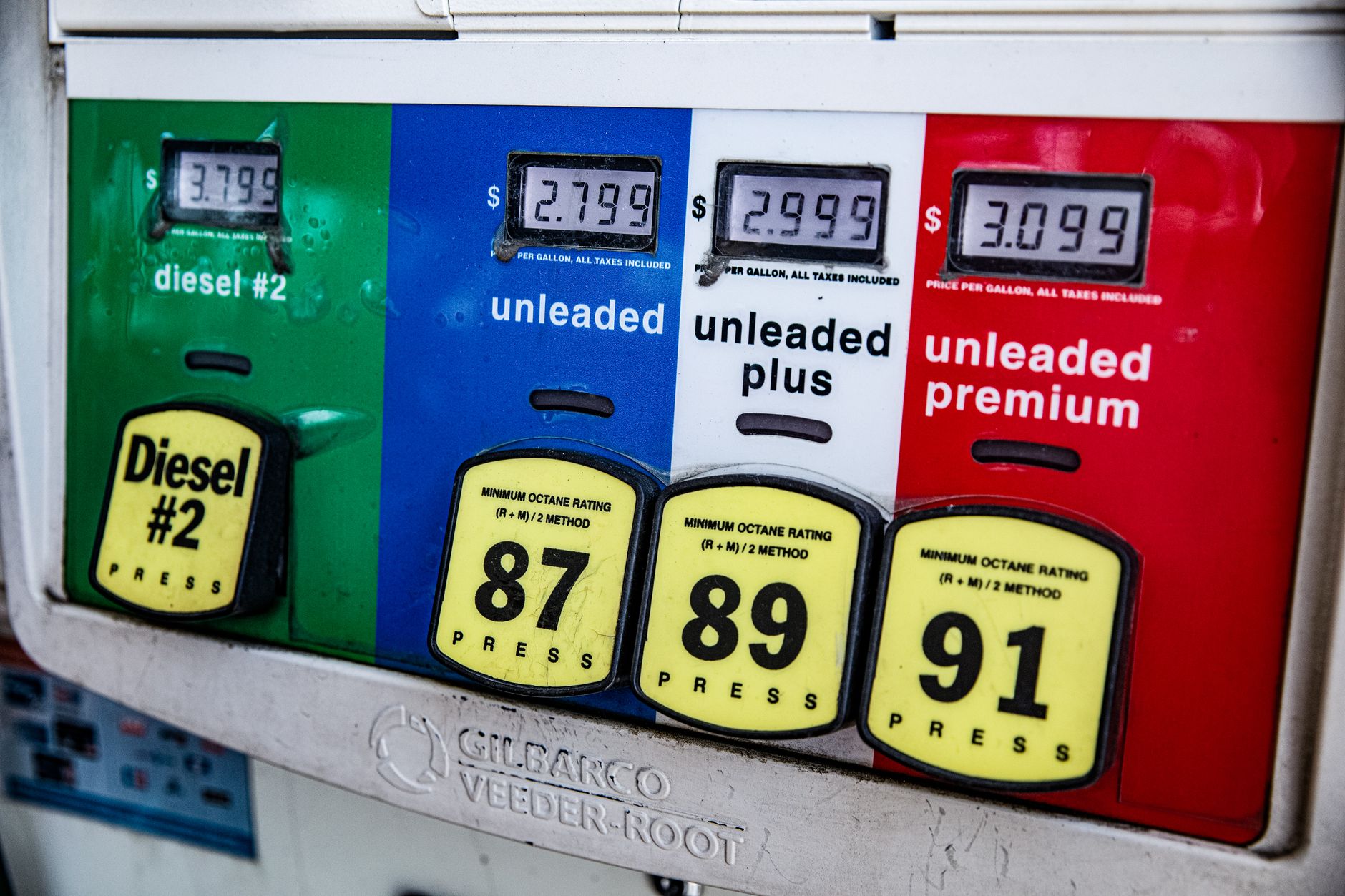
For many, the most immediate effect will be seen at the gas pump. With rising crude oil prices, gasoline costs are expected to increase, leading to tighter budgets for families who rely on their vehicles for daily commutes and errands.
Additionally, this surge may ripple through other sectors, affecting the prices of essential goods. Higher transportation costs can lead to increased prices on food, clothing, and other household items, further straining consumer finances.
Moreover, businesses that depend on oil for operations, such as airlines and shipping companies, may pass on their elevated expenses to customers, leading to an overall rise in inflation.
- Increased transportation costs: Expect higher gas prices.
- Inflationary pressure: Goods may become more expensive.
- Budget constraints: Families may need to adjust spending habits.
Ultimately, the oil price surge signals a challenging period ahead for consumers as they navigate the financial repercussions of these escalating costs.
Expert Opinions on Future Trends
As global markets react to the recent spike, experts are weighing in on the implications of the oil price surge. Many analysts are concerned about the sustainability of these price levels and what it means for the economy moving forward.
- Dr. Sarah Thompson, an energy economist, asserts that the $110 per barrel mark could lead to increased inflationary pressures. “Consumers will likely feel the impact at the pump and in other areas of their spending,” she warns.
- Mark Johnson, a commodities trader, believes that geopolitical tensions could further exacerbate the situation. “If conflicts escalate, we could see oil prices soar even higher,” he explains.
- Linda Chen, a financial analyst, suggests that alternative energy sources may gain traction as prices rise. “Consumers and businesses might turn to renewable energy options to mitigate costs,” she notes.
While some experts predict a correction in the coming months, others caution that the oil price surge may be indicative of a longer-term trend, reflecting the complex dynamics of supply and demand in a changing global landscape.
Historical Context of Oil Prices
The recent oil price surge marks a significant moment in the history of global energy markets. Historically, fluctuations in oil prices have been driven by various factors, including geopolitical tensions, supply chain disruptions, and changes in demand. The last major surge occurred in May, when prices briefly reached similar heights, prompting concerns about economic stability worldwide.
During the early 2000s, oil prices saw a dramatic increase, peaking at over $140 per barrel in 2008. This surge was largely attributed to rapid economic growth in emerging markets, coupled with increased speculation in oil futures. Since then, prices have experienced periods of volatility, influenced by OPEC’s production decisions and global crises.
In the years following the 2008 spike, a combination of technological advancements in extraction methods and a shift towards renewable energy sources contributed to more stable prices. However, the current oil price surge serves as a stark reminder of the market’s inherent instability and the ongoing dependency on fossil fuels.
As consumers brace for rising costs, analysts warn that sustained high prices could further complicate the already delicate balance of global economic recovery.
Photo by Ekaterina Belinskaya on Pexels