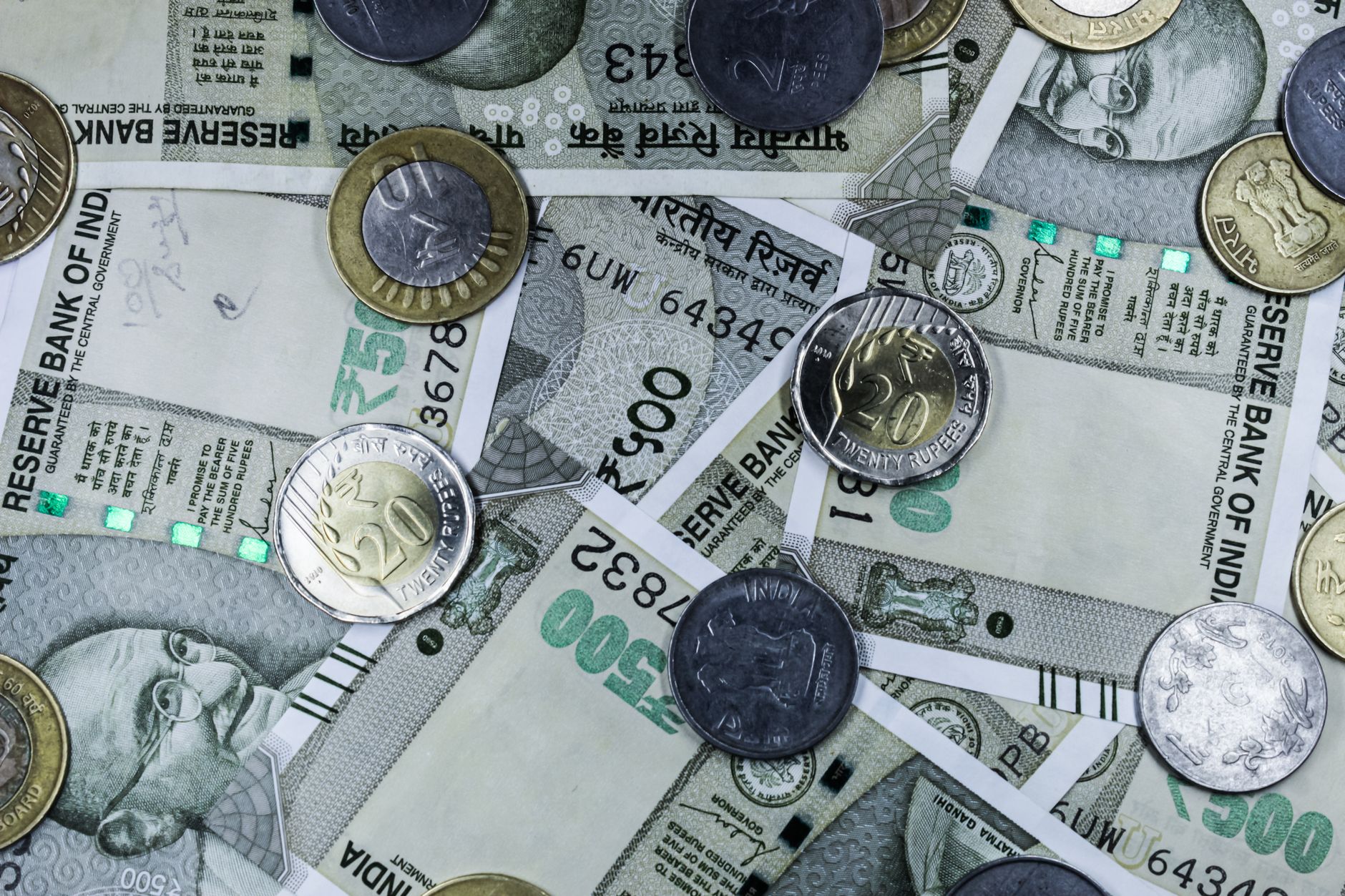
China investment in India is set to take centre stage as Xi Jinping arrives, highlighting the growing economic and cultural ties between the two countries.
Overview of Xi Jinping’s Visit
Chinese President Xi Jinping recently arrived in India, marking a significant moment for bilateral relations and economic partnerships. His visit highlights the growing importance of China investment in India, which has been a topic of discussion among leaders and economists alike.
During the visit, Xi emphasized the potential for enhanced cooperation between the two nations, particularly in areas such as technology, infrastructure, and trade. This collaboration is expected to foster mutual benefits and strengthen ties that have historically been complex.
Key points discussed during the visit included:
- Trade Agreements: New frameworks aimed at reducing barriers and facilitating smoother exchanges.
- Investment Projects: A focus on joint ventures that could boost local economies in India.
- People-to-People Exchanges: Initiatives to enhance cultural and educational interactions between the two countries.
As India positions itself as a major player in the global economy, the role of China investment in India could prove crucial for achieving sustainable growth and development.
Impact of China-India Relations
The impact of China-India relations has evolved significantly over the years, particularly in the context of economic collaboration. As both nations continue to navigate their complex relationship, the potential for China investment in India remains a critical area of focus.
Recent developments indicate a growing interest from Chinese investors in various sectors within India. This investment trend is driven by several factors:
- Market Potential: With a population exceeding 1.4 billion, India presents a vast market for Chinese companies looking to expand their footprint.
- Technological Collaboration: Joint ventures in technology and innovation are becoming increasingly common, fostering mutual growth.
- Infrastructure Development: Chinese firms are actively participating in India’s infrastructure projects, enhancing connectivity and efficiency.
Furthermore, the cultural ties between the two nations are strengthening, which is crucial for fostering long-term economic partnerships. As both countries work to improve diplomatic relations, the benefits of China investment in India could lead to significant growth opportunities for both economies, ultimately contributing to regional stability and prosperity.
Key Areas of Investment
China’s investment in India has increasingly focused on several key sectors that promise mutual growth and development. These areas highlight the potential for enhanced economic collaboration between the two countries.
- Technology: The tech sector has seen significant Chinese interest, with investments in startups and established firms aiming to foster innovation and create jobs.
- Infrastructure: Chinese companies are actively involved in building critical infrastructure, including roads, bridges, and energy projects, which are essential for India’s development.
- Manufacturing: With a push towards ‘Make in India’, Chinese investment in manufacturing is crucial for boosting local production and reducing dependency on imports.
- Telecommunications: Investments in telecommunications are driving advancements in connectivity, improving access to digital services across the country.
- Green Energy: China is investing in renewable energy projects in India, contributing to sustainable development and addressing climate change concerns.
These key areas of investment not only benefit the Indian economy but also strengthen the ties between the two nations, paving the way for future collaboration.
Cultural Ties Between China and India
The cultural ties between China and India have significantly contributed to strengthening bilateral relations, fostering an environment conducive to China investment in India. These ties are rooted in centuries of shared history, philosophy, and art, which continue to influence contemporary interactions between the two nations.
Both countries celebrate their rich cultural heritages through various initiatives that promote mutual understanding. Notably, the following aspects highlight the importance of these cultural connections:
- Art and Literature: Collaborative art exhibitions and literary exchanges have allowed artists and writers from both nations to showcase their work, fostering appreciation for each other’s cultures.
- Education: Increasing numbers of Indian students are pursuing higher education in China, while Chinese institutions are offering scholarships to Indian students, enhancing educational ties.
- Tourism: Initiatives promoting tourism between the two countries have led to greater people-to-people interactions, further solidifying the cultural bond.
These cultural exchanges not only enrich the societies involved but also create a solid foundation for economic cooperation, enhancing the overall benefits of China investment in India.
Future Prospects for Collaboration
As China investment in India continues to evolve, there are promising prospects for future collaboration between the two nations. Leaders from both countries recognize the potential for mutual growth and prosperity through strategic partnerships. The emphasis on innovation, technology transfer, and infrastructure development is likely to shape the trajectory of their economic relationship.
China’s investment in various sectors, including renewable energy, manufacturing, and digital technology, could pave the way for significant advancements in India’s economy. The following opportunities highlight the future prospects:
- Joint Ventures: Collaborations in technology and manufacturing can create new markets and enhance productivity.
- Infrastructure Development: Increased funding for infrastructure projects will help improve connectivity and trade.
- Educational Exchanges: Strengthening educational ties can foster innovation and skill development.
- Environmental Initiatives: Investment in sustainable solutions can address climate change challenges faced by both nations.
With a commitment to fostering a harmonious relationship, both China and India have the potential to unlock significant economic benefits through enhanced cooperation and investment opportunities.
Reactions from Business Leaders
Reactions from business leaders regarding China investment in India have been overwhelmingly positive, highlighting the potential for mutual growth and collaboration. Many industry experts believe that increased investment from China can significantly benefit India’s economy.
- Rajesh Kumar, CEO of a leading technology firm, stated that “China investment in India can enhance innovation and bring advanced technologies to our shores.” He emphasized the importance of collaboration between the two nations in fostering a competitive business environment.
- Sarita Mehta, a prominent economist, noted that “the influx of Chinese capital can lead to job creation and infrastructure development, which are crucial for India’s growth trajectory.”
- Moreover, Vikram Singh, a manufacturing sector leader, mentioned, “We must leverage Chinese investments to modernize our industries and increase exports.”
As discussions continue, many leaders are advocating for policies that encourage transparency and sustainability in foreign investments. The sentiment is clear: fostering strong China-India partnerships could unlock substantial benefits for both countries, paving the way for a prosperous future.
Photo by Ravi Roshan on Pexels
Sources
TV Spying Allegations: LG’s Honest Response Explained · Republican midterm convention: The Worst Empty Seats and Trump · Houthis Seize Mocha: What Does This Mean for Yemen?