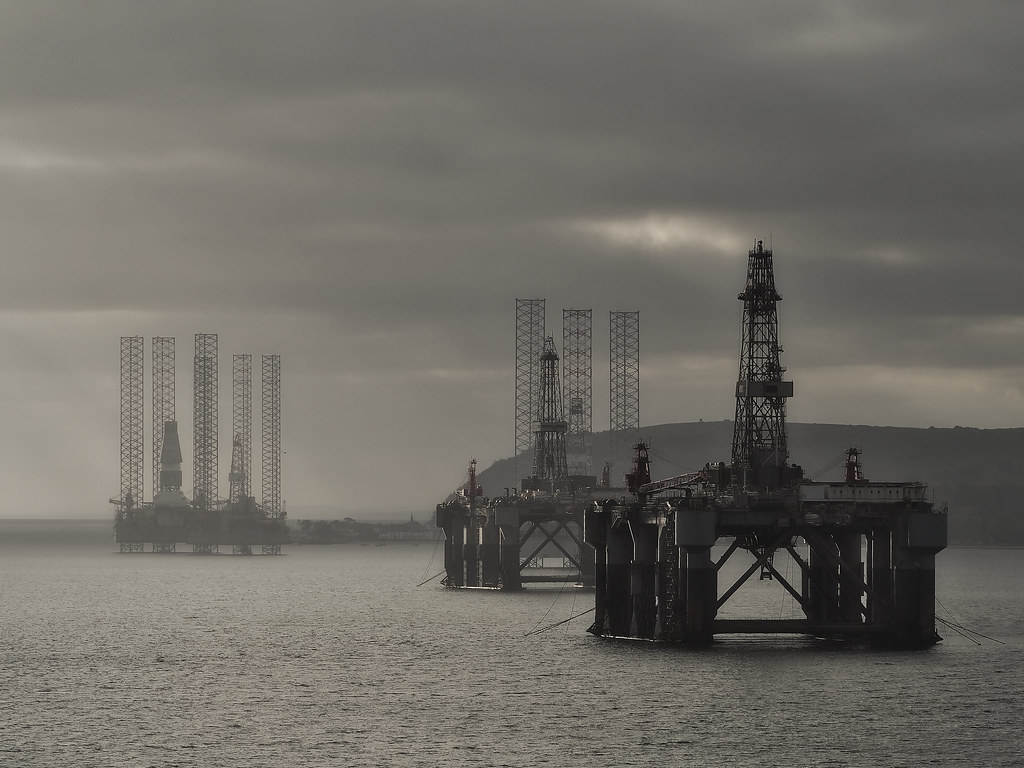
gas drilling North Sea has become a hot topic as Britain approves new drilling projects, aiming to bolster its energy resources amid rising demand.
Overview of the Gas Drilling Approval
The recent approval for new gas drilling in the North Sea has sparked significant discussion among environmentalists, industry experts, and government officials. This decision marks a pivotal moment in Britain’s energy strategy, aiming to bolster domestic gas production while addressing energy security concerns.
Key points surrounding the gas drilling approval include:
- Energy Security: The UK government emphasizes the importance of reducing reliance on imported energy sources, particularly in light of recent geopolitical tensions.
- Investment Opportunities: The approval is expected to attract substantial investments in the energy sector, potentially leading to job creation and economic growth.
- Environmental Considerations: Critics argue that increased drilling poses risks to marine ecosystems and climate goals. The government asserts that strict regulations will be enforced to mitigate environmental impacts.
- Technological Advancements: Proponents of gas drilling in the North Sea highlight advancements in drilling technologies that minimize environmental footprints and enhance safety measures.
As Britain navigates its energy future, the decision to expand gas drilling in the North Sea reflects a complex interplay of economic, environmental, and geopolitical factors that will shape the nation’s energy landscape for years to come.
Impact on Britain’s Energy Supply
The recent approval for gas drilling in the North Sea is set to have significant implications for Britain’s energy supply. As the nation grapples with rising energy demands and fluctuating prices, tapping into domestic resources can provide much-needed stability.
Experts argue that the North Sea holds vast reserves that, if properly harnessed, could reduce reliance on imported energy. This shift could lead to a more resilient energy infrastructure, promoting energy security for households and businesses alike.
Additionally, the gas drilling North Sea project is expected to create thousands of jobs, stimulating local economies and fostering growth in related industries. The potential for job creation is a critical factor, especially in regions that have historically depended on the oil and gas industry.
However, the move is not without controversy. Critics emphasize the environmental impact, arguing that drilling in the North Sea could jeopardize marine ecosystems. It is essential to balance the economic benefits with sustainable practices to protect the environment.
In conclusion, while the approval of gas drilling in the North Sea presents an opportunity for energy independence and economic growth, it must be approached with caution and a commitment to sustainability.
Environmental Concerns Surrounding Gas Drilling
Environmental concerns surrounding gas drilling in the North Sea have sparked significant debate among activists, scientists, and policymakers. Critics argue that the potential risks to marine ecosystems and local wildlife cannot be overlooked. The North Sea, a vital habitat for numerous species, may face disturbances from drilling operations, which could lead to long-term environmental degradation.
Among the primary concerns are:
- Marine Pollution: The risk of oil spills and chemical leaks poses a serious threat to the delicate balance of marine life.
- Noise Pollution: Drilling activities generate substantial underwater noise, which can disrupt the communication and navigation of marine animals.
- Climate Change: Critics stress that increasing reliance on fossil fuels, such as those obtained through gas drilling in the North Sea, contradicts the urgent need to reduce carbon emissions.
Supporters of the drilling project argue that technological advancements can mitigate some environmental risks. However, the long-term impacts remain uncertain. As Britain seeks to bolster its energy supply amid rising demands, the balance between energy needs and environmental preservation will be crucial in the ongoing discussions surrounding gas drilling in the North Sea.
Public Opinion on North Sea Drilling
Public opinion on gas drilling in the North Sea has been a topic of considerable debate, reflecting a spectrum of perspectives among different stakeholders. Many residents and businesses in coastal communities express support for the initiative, citing potential economic benefits and job creation as significant advantages.
Proponents argue that:
- Job Opportunities: The gas drilling North Sea project is expected to generate numerous jobs, providing a boost to local economies.
- Energy Independence: Increased domestic gas production could reduce Britain’s dependence on imported energy, enhancing national security.
- Investment in Infrastructure: The initiative may lead to improvements in local infrastructure, benefiting communities beyond just the energy sector.
Conversely, opponents raise concerns about the environmental impact of drilling activities. Many environmental groups emphasize the risks associated with fossil fuel extraction, including:
- Marine Ecosystem Disruption: Drilling could harm local wildlife and disrupt delicate marine ecosystems.
- Greenhouse Gas Emissions: Critics argue that increased drilling may contradict commitments to reduce carbon emissions.
- Long-term Sustainability: There are calls for a greater focus on renewable energy sources instead of fossil fuels.
The divergence in public opinion highlights the need for ongoing dialogue as Britain navigates its energy future.
Future of Energy in the UK
The future of energy in the UK is increasingly tied to the developments in gas drilling North Sea. As the nation seeks to secure its energy independence and transition towards sustainable practices, experts believe that harnessing natural gas from the North Sea could play a pivotal role in this strategy.
With the approval of new gas drilling projects, the UK aims to bolster its energy supply during a time of global instability and fluctuating prices. This move is crucial for reducing reliance on imported fossil fuels and can contribute to a more stable domestic market.
Moreover, advancements in technology have made gas drilling in the North Sea safer and more efficient. Industry leaders assert that the environmental impact of modern drilling practices is significantly minimized, addressing some of the concerns raised by environmentalists. The balance between energy needs and ecological responsibility remains a hot topic of discussion.
In addition, the economic benefits of gas drilling, such as job creation and investment in local communities, cannot be overlooked. As the UK looks to the future, the integration of gas drilling with renewable energy initiatives may offer a comprehensive approach to achieving energy goals while supporting the economy.
Comparing Gas Drilling with Renewable Energy
As the UK navigates its energy future, the debate surrounding gas drilling in the North Sea versus renewable energy sources has intensified. Each option offers distinct advantages and challenges that merit close examination.
On one hand, gas drilling in the North Sea is often viewed as a necessary step to bolster energy security. It can provide a stable and immediate supply of energy, particularly during periods of high demand or when renewable sources, such as wind and solar, may not be sufficient. The infrastructure for gas extraction is already established, which can facilitate a quicker response to energy needs.
Conversely, renewable energy presents a more sustainable long-term solution. Wind, solar, and hydroelectric power contribute to reducing carbon emissions and combating climate change. However, the transition to a fully renewable energy grid requires substantial investment in technology and infrastructure, which may take time to implement effectively.
In summary, while gas drilling in the North Sea offers immediate benefits and security, a balanced approach that incorporates both gas and renewables may be the most prudent path forward for Britain’s energy landscape. Ultimately, the decision hinges on finding a viable equilibrium that supports both current needs and future sustainability.
The decision to pursue gas drilling North Sea is seen by many as a strategic step towards energy independence. By investing in gas drilling North Sea, Britain aims to bolster its energy security and reduce reliance on imports.
By joiseyshowaa via Openverse