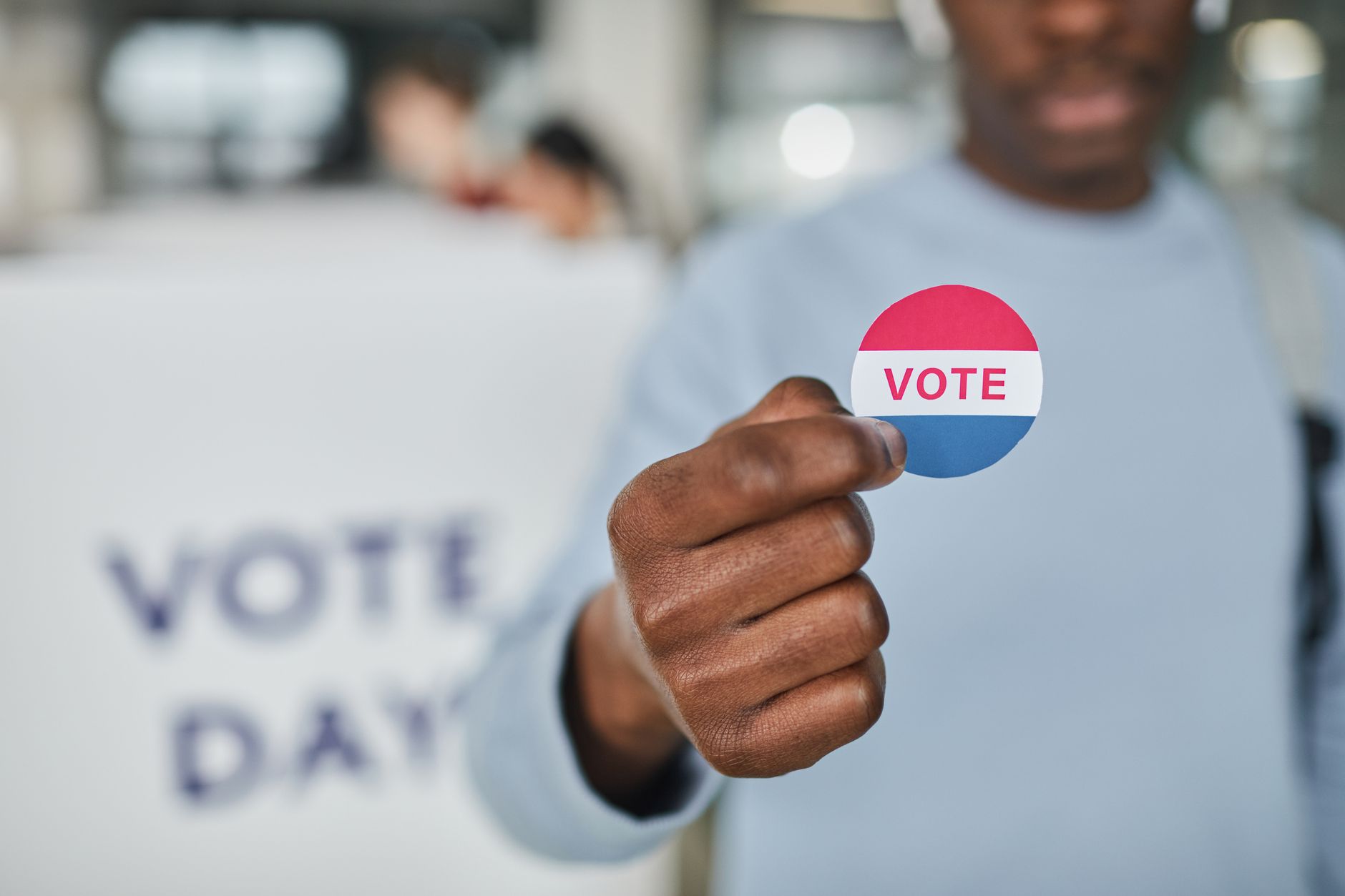
Hispanic voters impact the recent Democratic midterm wins, highlighting their essential role in the electoral process. This demographic shift has significant implications for future elections.
The Role of Hispanic Voters in Elections
The role of Hispanic voters in elections has become increasingly significant, particularly in recent midterm contests. As a demographic that continues to grow in size and political influence, their impact on outcomes cannot be overlooked.
In the 2022 midterm elections, Hispanic voters were pivotal in securing victories for Democratic candidates across various key states. Their preferences often align with issues such as immigration reform, healthcare, and social justice, making their votes crucial in shaping policy agendas.
Strategies to engage Hispanic voters effectively include:
- Tailored messaging: Campaigns that resonate with the cultural values and priorities of Hispanic communities tend to perform better.
- Community outreach: Building relationships through grassroots organizing and local events can enhance voter turnout.
- Language accessibility: Providing materials and resources in Spanish ensures that language barriers do not hinder participation.
As demonstrated in recent elections, understanding and addressing the needs of Hispanic voters is essential for Democratic wins moving forward.
Key Midterm Election Outcomes
In the recent midterm elections, the impact of Hispanic voters was evident in several key outcomes across the nation. Their turnout played a critical role in shaping the results, particularly in competitive districts. Here are some notable highlights:
- Arizona: Hispanic voters significantly influenced the Senate race, helping secure a Democratic victory amidst fierce competition.
- Texas: In pivotal congressional districts, increased engagement from Hispanic communities led to surprising wins for Democratic candidates, showcasing their pivotal role in state politics.
- California: With a strong turnout, Hispanic voters helped solidify Democratic control in both state and federal races, reinforcing the party’s dominance in the region.
- Florida: Despite challenges, strategic outreach efforts to Hispanic voters resulted in a boost for Democratic candidates in key areas.
The influence of Hispanic voters is becoming increasingly clear, underscoring the necessity for political parties to engage with this crucial demographic. Proven strategies focusing on their interests could prove vital for future Democratic wins.
Understanding Voter Demographics
Understanding the demographics of Hispanic voters is crucial for any political party aiming for success in elections. This diverse group represents a significant portion of the electorate and has the potential to sway results. In recent years, the impact of Hispanic voters has become increasingly evident, particularly in key battleground states.
The Hispanic electorate is not monolithic; it encompasses various nationalities, cultures, and political beliefs. To effectively engage with these voters, parties must recognize their diversity and tailor their strategies accordingly. Below are some key factors that contribute to the Hispanic voters’ impact:
- Age Distribution: A large segment of the Hispanic population is comprised of young voters, who tend to lean more progressive.
- Language Preferences: Effective communication in both English and Spanish is essential for outreach.
- Community Engagement: Building trust within local communities can lead to increased voter turnout.
- Issues of Importance: Focusing on immigration, healthcare, and education can resonate strongly with Hispanic voters.
Understanding these demographic nuances can help parties harness the full potential of Hispanic voters and secure victories in future elections.
Strategies for Future Engagement
To ensure continued success in future elections, Democratic candidates must implement effective strategies for engaging Hispanic voters. Acknowledging their influence, particularly in pivotal races, is essential for maximizing outreach efforts.
One proven strategy is to invest in community-based organizations that have deep roots within Hispanic communities. These organizations can facilitate more personalized communication and foster trust.
Additionally, tailored messaging that resonates with the unique experiences and values of Hispanic voters can significantly enhance engagement. Campaigns should focus on issues such as immigration reform, healthcare access, and education, which are often top priorities for these voters.
Moreover, utilizing social media platforms to reach younger Hispanic voters is crucial. Engaging content that reflects cultural relevance can help build a strong connection.
Lastly, a commitment to ongoing dialogue rather than a one-time approach will demonstrate that the Democratic Party values Hispanic voters’ contributions, ultimately solidifying their impact in future elections.
The Hispanic voters impact on electoral outcomes has become increasingly significant in recent years. Understanding the Hispanic voters impact can help Democratic candidates tailor their strategies to better connect with this vital demographic.
Photo by Edmond Dantès on Pexels
Sources
You might also like
Schumer Senate standing: Proven Strategies for Election Success · Phase Transition in Oedaleus Asiaticus: Proven Insights · Shami Retires from Tests: A Clear and Honest Decision
