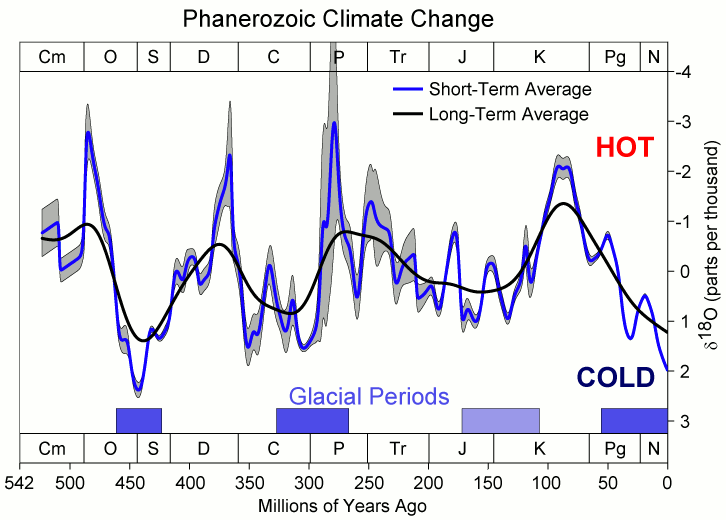
Ice sheet expansion has been a topic of discussion for years, but recent findings suggest it may have started 2,000 years ago. This revelation prompts a deeper look into its implications for climate change.
Understanding Ice Sheet Expansion
The phenomenon of ice sheet expansion has gained significant attention in recent years as scientists study its implications for global sea levels and climate change. Ice sheets, which are massive bodies of glacial ice, cover large areas of land and play a critical role in Earth’s climate system.
Recent studies suggest that ice sheet expansion may have begun approximately 2,000 years ago, a process that raises concerns about the long-term effects on our planet. As temperatures fluctuate and the climate continues to change, understanding these dynamics is essential.
- Impact on Sea Levels: The expansion of ice sheets can lead to a rise in sea levels, affecting coastal communities worldwide.
- Climate Feedback Loops: As ice sheets grow, they can alter regional climates, potentially leading to further expansion or melting.
- Historical Context: Understanding past patterns of ice sheet expansion helps scientists predict future changes in our climate system.
While some view ice sheet expansion as a natural process, it is crucial to recognize its potential consequences. As we assess the impacts of climate change, the significance of ice sheet dynamics cannot be overlooked.
The Science Behind Climate Change
The ongoing discourse surrounding climate change emphasizes the complex interactions within our planet’s systems. One significant aspect is the phenomenon of ice sheet expansion, which has become a focal point for scientists studying its broader implications.
Research indicates that ice sheets play a crucial role in regulating global sea levels and climate patterns. As temperatures rise, the dynamics of these massive ice formations can shift dramatically. The expansion of ice sheets may seem counterintuitive in a warming world, but it is essential to understand the underlying processes driving this change.
Key factors influencing ice sheet expansion include:
- Increased snowfall: In some regions, warmer air can hold more moisture, leading to greater precipitation in the form of snow.
- Ocean currents: Changes in ocean temperatures and currents can affect the stability and growth of ice sheets.
- Atmospheric conditions: Variations in wind patterns can determine how cold air interacts with warmer regions.
These interconnected elements underscore the necessity for ongoing research. Understanding ice sheet expansion is vital to predicting future climate scenarios and informing policy decisions aimed at mitigating climate change impacts.
Historical Context of Ice Sheets
The history of ice sheets has been marked by significant fluctuations in size and extent, driven by natural climate variations over millennia. Ice sheet expansion likely began around 2,000 years ago, as evidence suggests a gradual growth in response to changing temperatures. Archaeological and geological data indicate that these vast ice formations have persisted through various climate regimes, from warmer interglacial periods to cooler glacial epochs.
During the last glacial maximum, approximately 20,000 years ago, ice sheets reached their greatest extent, covering large parts of North America and Eurasia. As the planet warmed, these sheets retreated, reshaping coastlines and influencing global sea levels.
However, recent studies reveal that the current rate of ice sheet expansion is influenced by anthropogenic factors. Human-induced climate change, characterized by increased greenhouse gas emissions, has led to unprecedented changes in ice dynamics. The interplay between natural processes and human impact raises questions about the future stability of these ice masses.
- The historical data highlights the resilience of ice sheets despite natural climatic shifts.
- Current observations indicate a worrying trend influenced by modern climate change.
Understanding this complex history is crucial for predicting future scenarios and potential impacts on global sea levels.
Impacts on Global Sea Levels
The expansion of ice sheets has significant implications for global sea levels, which can lead to widespread consequences for coastal communities and ecosystems. As ice sheets expand, they contribute to changes in oceanic conditions that can further exacerbate rising sea levels.
When ice sheets gain mass, they reflect sunlight back into space, which can potentially moderate global temperatures. However, this process is complex and can be disrupted by various factors, including temperature increases and ocean currents. The following points highlight the impacts of ice sheet expansion on global sea levels:
- Rising Sea Levels: As ice sheets expand, they can lead to a redistribution of water, contributing to rising sea levels across the globe.
- Coastal Erosion: Increased sea levels can heighten the risk of coastal erosion, threatening infrastructure and natural habitats.
- Salinity Changes: The influx of freshwater from melting ice sheets can alter ocean salinity, impacting marine life and ecosystems.
- Increased Flooding: Higher sea levels make coastal areas more vulnerable to flooding during storms, jeopardizing human safety and property.
In summary, the expansion of ice sheets can significantly influence global sea levels, making it a crucial factor in understanding climate change impacts.
Future Projections and Concerns
As scientists continue to analyze the implications of ice sheet expansion, future projections raise significant concerns regarding global climate stability. Recent studies indicate that the ongoing expansion of ice sheets, particularly in Greenland and Antarctica, could contribute to drastic changes in sea levels over the coming decades.
Key projections include:
- Increased Sea Level Rise: Some estimates suggest that if current trends continue, sea levels could rise by more than three feet by the end of the century, endangering coastal communities worldwide.
- Disruption of Ocean Currents: The influx of freshwater from melting ice may alter ocean currents, potentially impacting weather patterns and marine ecosystems.
- Feedback Loops: The expansion of ice sheets could exacerbate global warming, as darker ocean waters absorb more heat, further accelerating ice melt.
- Impact on Wildlife: Changes in habitat caused by ice sheet expansion may threaten species that rely on stable ice environments for survival.
Experts warn that these potential outcomes emphasize the urgent need for comprehensive climate action. Addressing the causes of climate change is critical to mitigate the long-term effects of ice sheet expansion and protect vulnerable ecosystems and communities.
By Dragons flight via Openverse
Read the original
You might also like
Monfils defends Svitolina: Honest support amid criticism · RFK Jr. ally: Is This the Worst Rift in the GOP Tent? · Alaska Senate result: Worst case for Republican incumbent