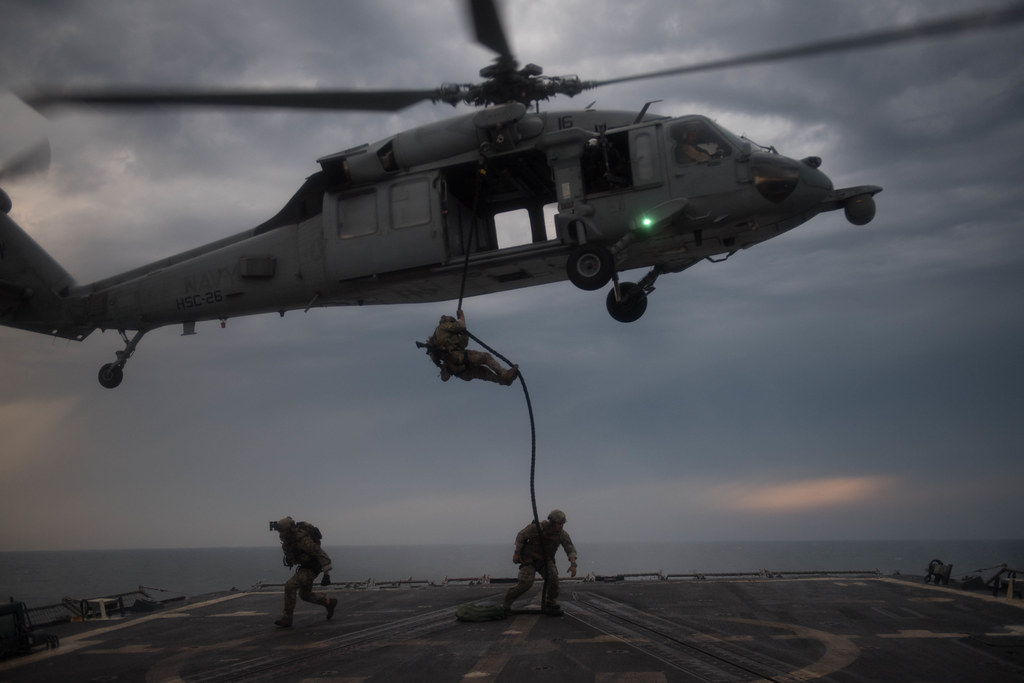
Indian Navy training squadron is set to visit Colombo, marking a significant step in strengthening maritime relations between India and Sri Lanka.
Overview of the Indian Navy Training Squadron
The Indian Navy training squadron is set to make a significant visit to Colombo, marking a noteworthy event for both nations involved. This squadron, primarily responsible for training young naval officers, plays a crucial role in enhancing maritime cooperation in the region.
During its stay, the Indian Navy training squadron will engage in various joint exercises and training sessions, aimed at bolstering naval capabilities and fostering stronger ties between India and Sri Lanka. The visit is expected to provide numerous benefits, including:
- Enhanced Training Opportunities: Sri Lankan naval personnel will have the chance to learn from experienced Indian officers, gaining valuable insights into advanced naval strategies.
- Strengthened Maritime Security: Collaborative exercises will improve coordinated responses to maritime threats, benefiting both countries.
- Cultural Exchange: The visit will facilitate interactions between naval officers, promoting mutual understanding and camaraderie.
- Increased Operational Readiness: Joint drills will help both nations enhance their operational readiness in addressing regional security challenges.
As the Indian Navy training squadron prepares for its arrival in Colombo, anticipation builds for the positive impact it will have on bilateral relations and maritime security in the Indian Ocean region.
Impact of the Visit on Sri Lanka
The recent visit of the Indian Navy training squadron to Colombo has generated significant interest and potential benefits for Sri Lanka. This engagement not only strengthens bilateral ties but also enhances regional security through collaborative naval training.
One of the most notable impacts of the visit is the opportunity for knowledge exchange. Sri Lankan naval personnel can learn advanced tactics and operational procedures from their Indian counterparts, fostering a spirit of cooperation. This training can lead to improved naval capabilities for Sri Lanka, which is crucial for maintaining maritime security in the Indian Ocean region.
Furthermore, the Indian Navy training squadron’s presence in Colombo reinforces the strategic partnership between the two nations. Such collaborations are vital in addressing common challenges, including piracy, smuggling, and environmental threats in the seas surrounding Sri Lanka.
Additionally, the visit encourages joint exercises and interoperability between the two navies, which can enhance disaster response mechanisms. In times of natural disasters, a well-coordinated naval response can save lives and mitigate damage.
In summary, the impact of the Indian Navy training squadron’s visit to Sri Lanka promises to yield multifaceted benefits, promoting peace, stability, and enhanced maritime capabilities within the region.
Strengthening India-Sri Lanka Relations
The visit of the Indian Navy training squadron to Colombo signifies a pivotal moment in strengthening India-Sri Lanka relations. As both nations strive to enhance their maritime cooperation, this event serves as a testament to their shared commitment to regional security and stability.
The Indian Navy training squadron, comprising various vessels and personnel, aims not only to impart knowledge and skills but also to foster goodwill between the two countries. This initiative is expected to yield several benefits for Sri Lanka:
- Enhanced Maritime Skills: The training sessions provided by the Indian Navy will equip Sri Lankan naval personnel with advanced operational techniques and knowledge.
- Cultural Exchange: The interaction between Indian and Sri Lankan sailors promotes a deeper understanding of each other’s cultures, fostering friendship and camaraderie.
- Joint Exercises: Collaborative exercises will further improve coordination in maritime operations, ensuring better preparedness for any potential challenges in the Indian Ocean.
- Economic Opportunities: Strengthened ties may lead to increased investments and economic collaborations in the defense sector.
In conclusion, the presence of the Indian Navy training squadron in Colombo not only reinforces military ties but also reflects the broader strategic partnership between India and Sri Lanka, paving the way for a prosperous future for both nations.
Future Military Collaborations in the Region
The recent visit of the Indian Navy training squadron to Colombo has opened up avenues for future military collaborations in the region. This engagement not only enhances bilateral ties but also sets a foundation for joint exercises and training programs that can benefit both nations.
Collaboration in military training is essential for several reasons:
- Skill Development: Joint training initiatives can help enhance the skills of personnel from both countries, allowing them to share best practices and operational techniques.
- Resource Sharing: The Indian Navy training squadron can offer resources and expertise that may be limited in Sri Lanka, contributing to improved naval capabilities.
- Regional Security: Strengthening military ties is crucial in addressing common security challenges, such as piracy and maritime threats, which affect both nations.
- Cultural Exchange: Such collaborations foster a better understanding of each other’s naval traditions and practices, promoting camaraderie and trust.
With the Indian Navy training squadron paving the way for increased military interaction, both countries can look forward to a more secure and cooperative maritime environment in the Indian Ocean region. This partnership not only solidifies defense ties but also serves as a model for other nations aiming to enhance regional stability.
By U.S. Department of Defense Current Photos via Openverse