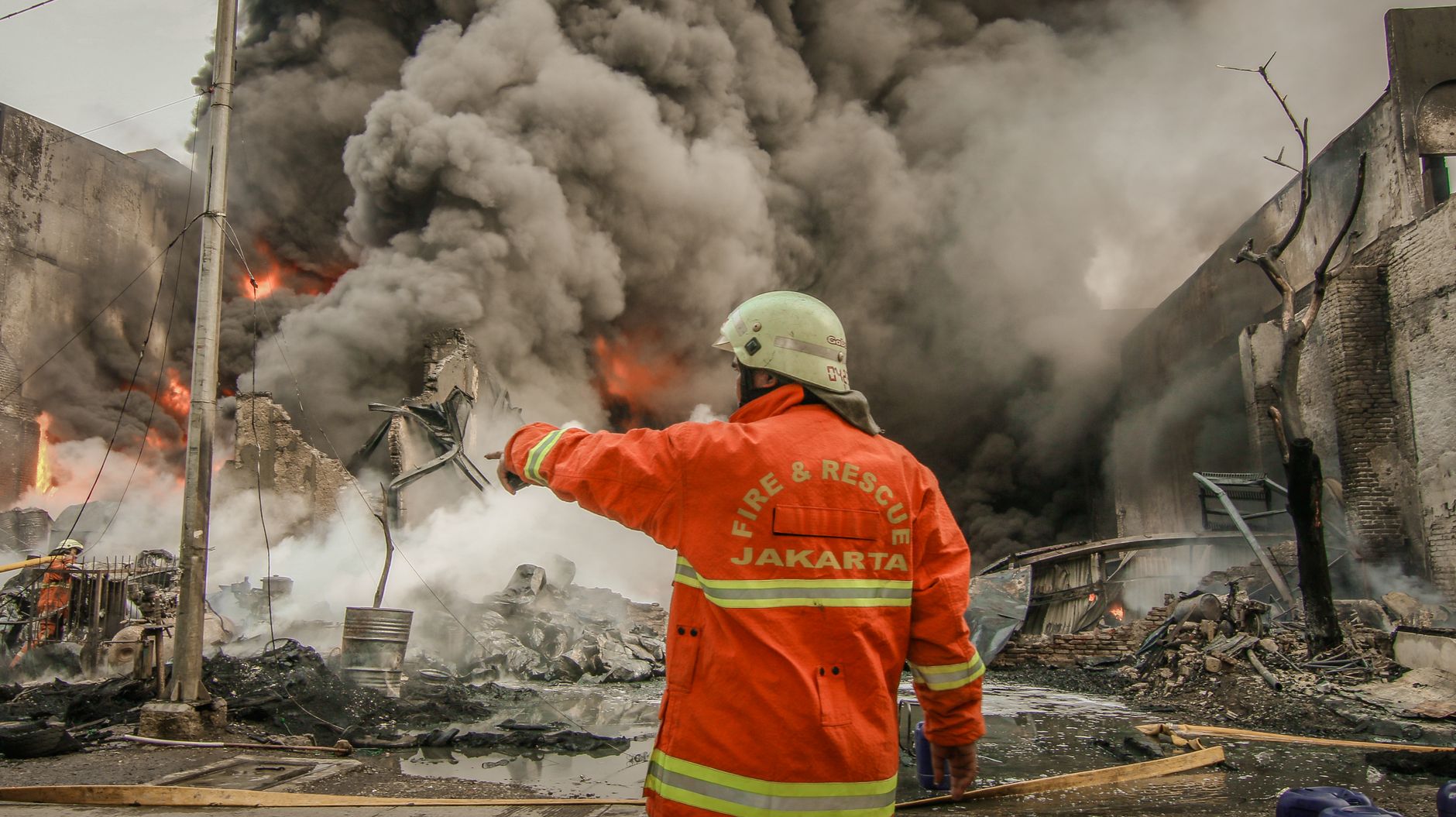
The Indonesia fire crisis is severely impacting air quality in neighboring countries. Reports indicate that the fires are contributing to a haze crisis affecting Singapore and Malaysia, raising health concerns among residents.
Overview of the Indonesia fire crisis
The Indonesia fire crisis has escalated in recent months, leading to severe environmental and health impacts across the region. Fires, primarily set for land clearing, have devastated vast areas of forest and peatland, resulting in the release of significant quantities of smoke and pollutants into the atmosphere. This situation has triggered a haze crisis adversely affecting neighboring countries, particularly Singapore and Malaysia.
As the fires rage on, local communities are grappling with the immediate consequences, including poor air quality and health issues related to respiratory problems. The Indonesian government has faced criticism for its slow response to the situation, while environmental groups have called for immediate action to curb illegal burning practices.
Key factors contributing to the ongoing crisis include:
- Land conversion: The conversion of forests into agricultural land for palm oil and other cash crops is a primary driver of the fires.
- Climate conditions: Dry weather patterns exacerbated by climate change have increased the susceptibility of land to fire.
- Regulatory challenges: Weak enforcement of environmental regulations allows illegal burning to persist.
With the Indonesia fire crisis showing no signs of abating, regional cooperation and more stringent measures are urgently needed to address the root causes and mitigate further damage.
Impact on Singapore’s air quality
The ongoing Indonesia fire crisis has had severe repercussions on air quality in neighboring Singapore. As the fires rage through large swathes of land in Indonesia, thick plumes of smoke and haze have drifted across borders, significantly affecting the health and well-being of residents in Singapore.
Residents have reported an alarming increase in the levels of particulate matter in the air, leading to heightened health risks, particularly for vulnerable groups such as children and the elderly. The haze has resulted in:
- Increased respiratory issues: Hospitals have seen a rise in patients suffering from asthma and other respiratory ailments due to the poor air quality.
- School cancellations: Several schools have suspended outdoor activities or closed entirely to protect students from hazardous air conditions.
- Economic impact: The haze has disrupted local businesses, particularly in sectors like tourism and outdoor activities, leading to financial losses.
Authorities in Singapore have urged residents to stay indoors when the haze becomes severe, while also advising on the use of N95 masks for outdoor activities. The long-term ramifications of the Indonesia fire crisis underscore the need for regional cooperation in addressing the persistent issue of haze pollution, which not only affects air quality but also the overall health of the population in Southeast Asia.
Health effects of haze in Malaysia
The ongoing Indonesia fire crisis has led to severe health implications for neighboring Malaysia. As haze from the fires drifts across the region, the air quality in Malaysian cities has declined significantly, raising alarms among health officials and residents alike.
The haze carries particulate matter and toxic pollutants that can exacerbate respiratory conditions and other health issues. Many Malaysians are experiencing:
- Increased respiratory problems, such as asthma and bronchitis, particularly among vulnerable populations like children and the elderly.
- Eye irritation and discomfort, leading to a rise in visits to healthcare facilities.
- Worsening chronic conditions for those with pre-existing health issues, such as heart disease.
Health authorities have issued warnings advising the public to limit outdoor activities and wear masks when air quality deteriorates. The government has also implemented measures to monitor air pollution levels closely, providing real-time updates to help residents stay informed.
Experts emphasize the importance of addressing the root causes of the Indonesia fire crisis to prevent future occurrences. Continuous efforts are needed to combat deforestation and promote sustainable land use practices to ensure the health of millions in the region is protected from the harmful effects of haze.
Government response to the fires
The Indonesian government is facing mounting pressure to address the ongoing fire crisis, which has significant implications for air quality across the region. As fires rage across Sumatra and Kalimantan, the government is implementing a series of strategies aimed at mitigating the impacts of the haze.
In response to the crisis, the government has initiated a multi-agency task force to combat the fires and manage the resulting smoke. This task force includes the Ministry of Environment and Forestry, the National Disaster Mitigation Agency, and local authorities. Key measures being taken include:
- Deployment of firefighting teams: Specialized teams are being dispatched to high-risk areas to extinguish fires and prevent further outbreaks.
- Land management initiatives: Authorities are promoting sustainable agricultural practices to reduce the likelihood of fires igniting in the future.
- Public awareness campaigns: The government is educating local communities about the dangers of open burning and the importance of protecting the environment.
- Collaboration with neighboring countries: Indonesia is working closely with Malaysia and Singapore to share information and resources to tackle the haze crisis.
Despite these efforts, critics argue that more aggressive action is necessary to combat the underlying causes of the Indonesia fire crisis, particularly the illegal practices associated with land clearing for agriculture. The situation remains a critical concern for millions affected by the hazardous air quality.
Historical context of Indonesia’s wildfires
The Indonesia fire crisis has deep historical roots, with wildfire incidents occurring regularly for decades, often exacerbated by agricultural practices. The practice of slash-and-burn farming, while a traditional method for clearing land, has led to severe environmental degradation and increased frequency of fires. This method involves cutting down vegetation and burning it, which releases large amounts of smoke and particulates into the atmosphere, contributing to significant haze across Southeast Asia.
In the late 1990s, Indonesia experienced one of its worst fire crises, which resulted in extensive haze that affected neighboring countries, particularly Singapore and Malaysia. The fires were driven by a combination of El Niño weather patterns, which create drier conditions, and a surge in palm oil plantation expansion. These fires not only devastated local ecosystems but also posed serious health risks to millions of people in the region.
Over the years, the Indonesian government has implemented various measures to combat these fires, including stricter regulations on land clearing and reforestation initiatives. However, enforcement remains a challenge, and the underlying issues of land use and economic incentives continue to fuel the fire crisis. As a result, haze remains a recurring problem, highlighting the need for comprehensive solutions that address both environmental and socio-economic factors.
International reactions to the haze
The ongoing Indonesia fire crisis has prompted significant international reactions, particularly from neighboring countries affected by the resulting haze. Singapore and Malaysia have expressed growing concern over the deteriorating air quality, which has been attributed to the massive forest fires in Indonesia.
Governments and environmental organizations worldwide are calling for urgent action to address the situation. Singapore’s Minister for the Environment and Water Resources stated, “The haze not only affects our air quality but also poses serious health risks to our citizens.” This sentiment has been echoed by Malaysian officials, who are advocating for regional cooperation to combat the fires.
International environmental groups have also voiced their alarm, emphasizing the need for sustainable land management practices in Indonesia. Greenpeace has released statements urging the Indonesian government to implement stricter regulations against illegal land clearing that often leads to these devastating fires.
In addition to governmental and NGO responses, public awareness campaigns have emerged. Citizens in affected countries are being encouraged to minimize outdoor activities during periods of high haze, while also advocating for greater accountability from companies involved in deforestation.
As the Indonesia fire crisis continues, it is clear that the repercussions extend far beyond its borders, affecting millions and highlighting the critical need for collaborative environmental stewardship.
Preventive measures for future crises
The Indonesia fire crisis has underscored the urgent need for effective preventive measures to mitigate future occurrences. Experts emphasize a multi-faceted approach to address the root causes of these devastating fires.
One key strategy involves improving land management practices. Implementing sustainable agricultural techniques, such as agroforestry, can significantly reduce the reliance on slash-and-burn methods that exacerbate fire risks. Additionally, promoting community education on fire prevention can empower local populations to adopt safer practices.
Furthermore, enhancing monitoring and early warning systems is essential. By utilizing satellite technology and remote sensing, authorities can detect potential fire outbreaks before they escalate. This proactive approach can lead to timely interventions and minimize the spread of smoke and haze across borders.
Government policies must also focus on stricter enforcement of regulations against illegal land clearing. Strengthening law enforcement can deter those who engage in activities that contribute to the Indonesia fire crisis. Collaborative efforts with neighboring countries, particularly Malaysia and Singapore, are vital for addressing transboundary haze issues.
Finally, fostering international partnerships can provide Indonesia with the necessary resources and expertise to combat forest fires. By working together, countries can develop comprehensive strategies that prioritize environmental sustainability and protect public health from the harmful effects of haze.
Local communities affected by the fires
The ongoing Indonesia fire crisis has brought significant challenges to local communities, many of whom depend on the surrounding environment for their livelihoods. Farmers, fishermen, and indigenous populations are facing dire consequences as fires continue to ravage vast areas of land.
One of the primary impacts of the fires is the destruction of agricultural land. Many farmers have reported losing crops due to the encroaching flames, which not only diminishes their immediate income but also threatens food security in the region. This loss forces families to seek alternative sources of income, often leading to increased poverty levels.
Additionally, the haze resulting from the fires has made traditional fishing practices nearly impossible. Fishermen have expressed concerns about reduced visibility and the health risks posed by air pollution, which have made it more challenging to catch fish safely.
Local communities are also grappling with health issues stemming from the haze, as respiratory illnesses become more prevalent. Vulnerable populations, such as children and the elderly, are at greater risk, causing distress among families who fear for their loved ones’ well-being.
In light of these challenges, community leaders are calling for more support and resources to help mitigate the effects of the Indonesia fire crisis. They emphasize the need for sustainable practices that can prevent future fires and protect their livelihoods.
The Indonesia fire crisis has led to severe air quality deterioration, affecting millions of residents across the region. As the situation worsens, the Indonesia fire crisis continues to pose significant health risks and environmental challenges.
Photo by Socrates Bangun on Pexels