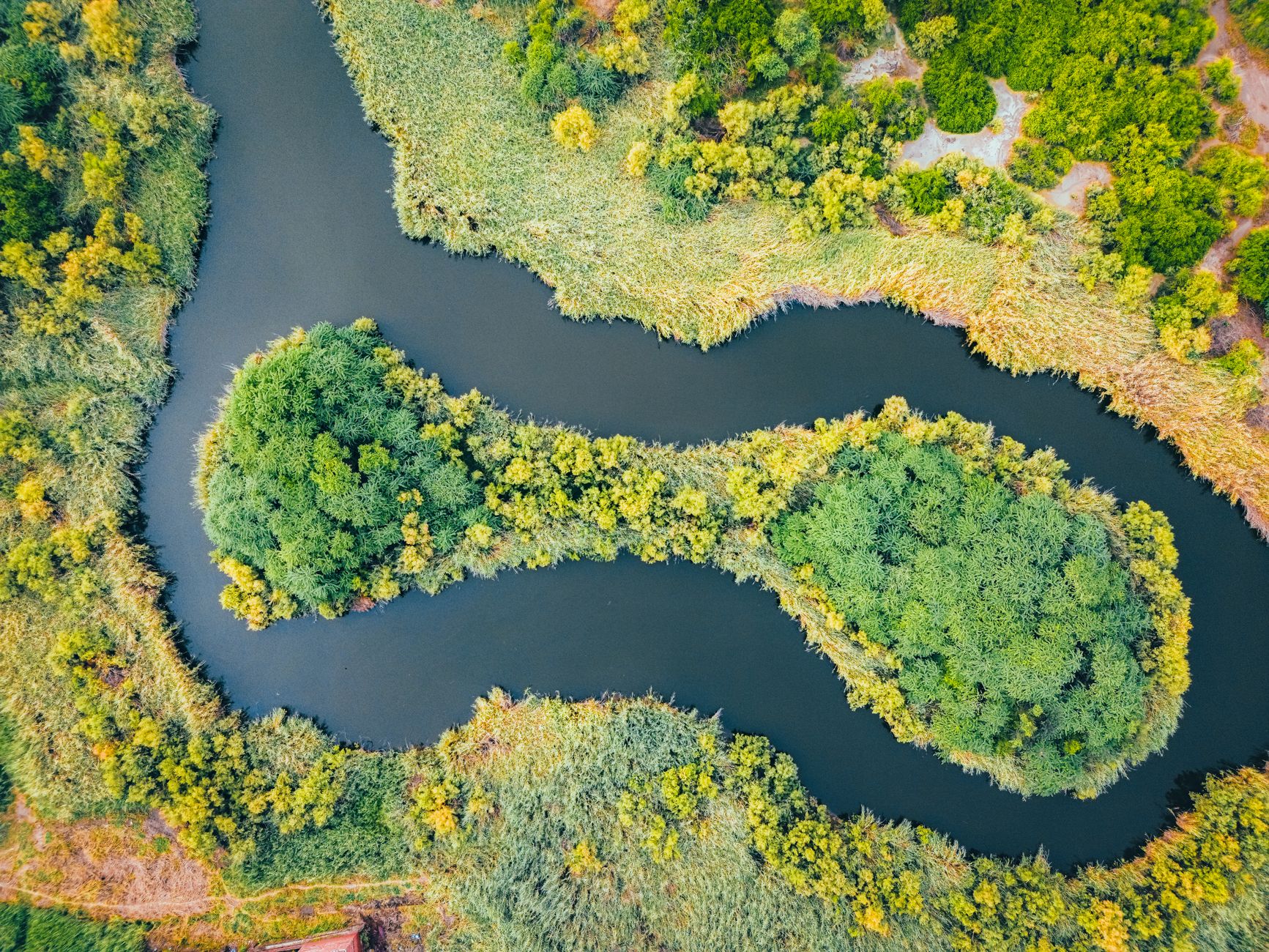
Ancient underwater canyons reveal clues to the world’s oldest animal life. These deep-sea formations offer a glimpse into the evolutionary past and the origins of life on Earth.
What are ancient underwater canyons?
Ancient underwater canyons are deep, submerged valleys formed by various geological processes, often shaped by the flow of water over millions of years. These formations can be found on continental shelves and ocean floors, serving as significant features in marine environments. They are not only remarkable geological structures but also play a crucial role in understanding Earth’s history.
Geologists and marine scientists are particularly interested in ancient underwater canyons because they often contain preserved records of past climatic and biological conditions. The unique environments created by these canyons can harbor diverse ecosystems, potentially leading to significant discoveries regarding early life on Earth.
Recent studies have focused on the sediment and rock layers found within these canyons, revealing evidence of some of the planet’s oldest living organisms. The exploration of ancient underwater canyons has yielded:
- Fossilized remains: Indications of early animal life, including soft-bodied organisms.
- Chemical signatures: Clues about the environmental conditions present during different geological eras.
- Microbial life: Insights into the resilience and adaptability of life forms in extreme conditions.
As research continues, ancient underwater canyons are expected to unveil more secrets about the origins and evolution of life on our planet.
The significance of marine life discoveries
The recent discoveries made in ancient underwater canyons have profound implications for our understanding of marine life and its evolution. These underwater structures, often overlooked, serve as vital reservoirs of biological history, providing clues to the planet’s earliest inhabitants.
Scientists have identified several significant aspects of marine life within these canyons:
- Fossil Evidence: The canyons contain well-preserved fossils that date back millions of years, offering a glimpse into the organisms that inhabited Earth during its formative periods.
- Biodiversity Hotspots: Ancient underwater canyons are rich in biodiversity, supporting a wide range of species. This diversity is crucial for understanding how life adapted to changing environmental conditions.
- Ecological Insights: The ecosystems found in these canyons can illuminate the relationships between ancient species, shedding light on evolutionary processes that shaped marine life.
- Climate Change Indicators: The geological formations and sediment layers within these canyons can reveal past climate conditions, helping scientists predict future changes in marine ecosystems.
In summary, the exploration of ancient underwater canyons not only enriches our knowledge of historical marine life but also enhances our understanding of current ecological dynamics, emphasizing the interconnectedness of past and present life on Earth.
How canyons shape ocean ecosystems
Ancient underwater canyons play a crucial role in shaping ocean ecosystems, serving as vital habitats for a diverse array of marine life. These geological formations can create unique environments with varying depths and currents, which contribute to a rich biodiversity. The structure of these canyons influences nutrient flow and sediment distribution, fostering the growth of essential algae and plankton that are foundational to the oceanic food web.
Furthermore, the steep walls of ancient underwater canyons provide shelter for many species, including fish, crustaceans, and mollusks. Such sheltered conditions allow for the development of unique communities that are often distinct from those found in surrounding areas. The isolation of these species can lead to evolutionary adaptations, enhancing the overall resilience of the ecosystem.
Research has shown that ancient underwater canyons serve as critical areas for biodiversity hotspots, which are essential for maintaining healthy oceanic environments. As scientists continue to explore these underwater landscapes, they uncover evidence that suggests these canyons were once thriving ecosystems rich with life. Understanding how these ancient underwater canyons function and support marine biodiversity is key to conserving current ocean habitats and ensuring the survival of various species.
Research methods used in the study
To investigate the role of ancient underwater canyons in uncovering clues about the oldest life on Earth, researchers employed a variety of innovative methods. These techniques were crucial in analyzing the geological formations and the marine ecosystems they support.
- Geological Surveys: Researchers conducted comprehensive geological surveys to map the structure and composition of the canyons. This involved utilizing advanced sonar technology to create detailed 3D models of the canyon walls and floors.
- Sampling: Sediment and rock samples were collected from various depths within the canyons. These samples contained microfossils and chemical signatures that helped scientists identify ancient life forms and their environmental conditions.
- Carbon Dating: By applying carbon dating techniques, researchers were able to determine the ages of the sediment layers. This information is vital for understanding the timeline of life evolution in relation to the geological history of the canyons.
- Submersible and ROV Exploration: Deploying submersibles and remotely operated vehicles (ROVs), researchers explored the depths of the canyons to observe living organisms and their habitats, providing insights into modern analogs of ancient ecosystems.
These research methods collectively contribute to a deeper understanding of ancient underwater canyons as vital clues to the oldest life forms on our planet.
Key findings about ancient species
Recent studies of ancient underwater canyons have unveiled significant findings regarding some of the oldest species on Earth. Researchers discovered that these canyons serve as vital habitats for early marine life, offering unique insights into the evolution of biodiversity.
Among the key findings are:
- Fossil evidence: Fossils retrieved from deep-sea sediment in these canyons indicate the presence of primitive organisms that thrived over 500 million years ago.
- Habitat diversity: The varied topography of underwater canyons creates different ecological niches, fostering a rich diversity of species.
- Adaptation strategies: Some ancient species exhibited unique adaptations that allowed them to survive in the challenging environments of these canyons, demonstrating resilience in the face of changing ocean conditions.
- Biogeographic patterns: The findings suggest that ancient underwater canyons played a crucial role in the distribution of marine life, influencing how species migrated and evolved over geologic time.
As scientists continue to explore these underwater landscapes, they are uncovering more about the interconnectedness of life forms and the crucial role that ancient underwater canyons have played in shaping our planet’s biological history.
Future implications for marine research
The exploration of ancient underwater canyons holds significant promise for future marine research, particularly in understanding the evolution of life on Earth. As scientists continue to uncover the intricate details of these submerged landscapes, several implications emerge for the wider field of marine biology.
Firstly, ancient underwater canyons are likely to serve as vital hotspots for biodiversity. The unique geological formations create various habitats that can support distinct marine ecosystems. This indicates that future studies should focus on these areas to uncover new species and better understand existing ones.
Moreover, the research conducted in these canyons may reveal insights into how ancient species adapted to changing environments. By examining sediment cores and fossilized remains, scientists can reconstruct past climates and ecological conditions, shedding light on resilience mechanisms that could be crucial for contemporary marine life facing climate change.
Furthermore, the findings related to ancient underwater canyons can inform conservation strategies. As human activities increasingly threaten ocean habitats, understanding the historical context of these ecosystems can aid in developing effective management plans to protect marine biodiversity.
In conclusion, ongoing investigations into ancient underwater canyons not only enhance our knowledge of Earth’s history but also provide essential tools for safeguarding our planet’s future marine environments.
Photo by Engin Akyurt on Pexels
Where this came from
Related reading
Poppi beverage startup is the Smart Choice for Gatorade Rival · Dividend Bonus Issue: What Are the Best Stocks to Buy? · Hispanic voters impact: Proven strategies for Democratic wins